Некоторые быстрые мысли после и посещения Рейкьявика, Европы. Чехии и Германии.
Рекьявик очень стильный и дорогой. Очень стильный. Очень вкусно все. Но дорого. Например, смотаться из аэропорта в столицу и обратно нельзя меньше, чем 52 бакса на человека, и такси или арендованная машина начинает становиться дешевле автобуса только если вас четверо.
По Чехии и Германии:
Очень вкусно. Все. От десертов до завтраков с ужинами. Даже в мелких забегаловках и даже в старом городе с туристами (одно исключение — мы сдуру позавтракали на главной площади Праги. Там невкусно). Я был в Дрездене в McDonalds, так и там было вкусно!
Про вкусно: В США вкусно только иногда и надо знать места, где выше троечки по пятибалльной шкале. А в Европе надо знать места выше «четвёрочки». А ниже четвёрочки нужно ещё поискать. Особенно это касается десертов… Ммм..
Удивило зеркало на машине. После США левое зеркало прямо очень «ломает глаз». То ли оно в EU плоское, а у нас выпуклое, то ли наоборот, но реально неприятно, мозг привык к другому.
Удивила Toyota Yaris hybrid, которая за три дня руления из Праги в Дрезден и обратно деревнями съела всего полбака. 4л/100 км. в США у меня машина ела минимум вдвое больше. Гибрид — это оказалось удобно, но всё-таки странно, что когда заводишь машину, она не производит ни звука. У меня поначалу йокало «черт, акк умер», когда такое происходило (всегда).
Удивило, что в Праге очень большое число людей — главным образом, обслуживающий персонал, — говорит на русском или украинском. Нас понимали в отделе на ресепшене, в кафе официанты, в такси, в магазинах. Вот сейчас на посадке в аэропорту тоже. И на чекине. Ну вот вообще везде. Знакомые слова на улице слышны в толпе почти каждую минуту. На автобусной станции половина из 15 окошек оклеена названиями украинских городов. Большой спрос.
И конечно очень не хватало фонтанчиков и бесплатных туалетов. Как-то привыкаешь к тому, что в США оно на каждом шагу быстро. Понятно, конечно, почему, да и сравнивать Прагу надо с NY, где наверняка тоже не все так хорошо.
Толпы в центре Праги. Я ж из своей деревни приехал, где ни пробок, ни проблем с парковками.
Прага произвела впечатление города, где власти разрешили почти все, что приносит деньги экономике. Все эти магазины с зелёными листочками, пиво на вынос, мелкие бизнесы на каждом метре.
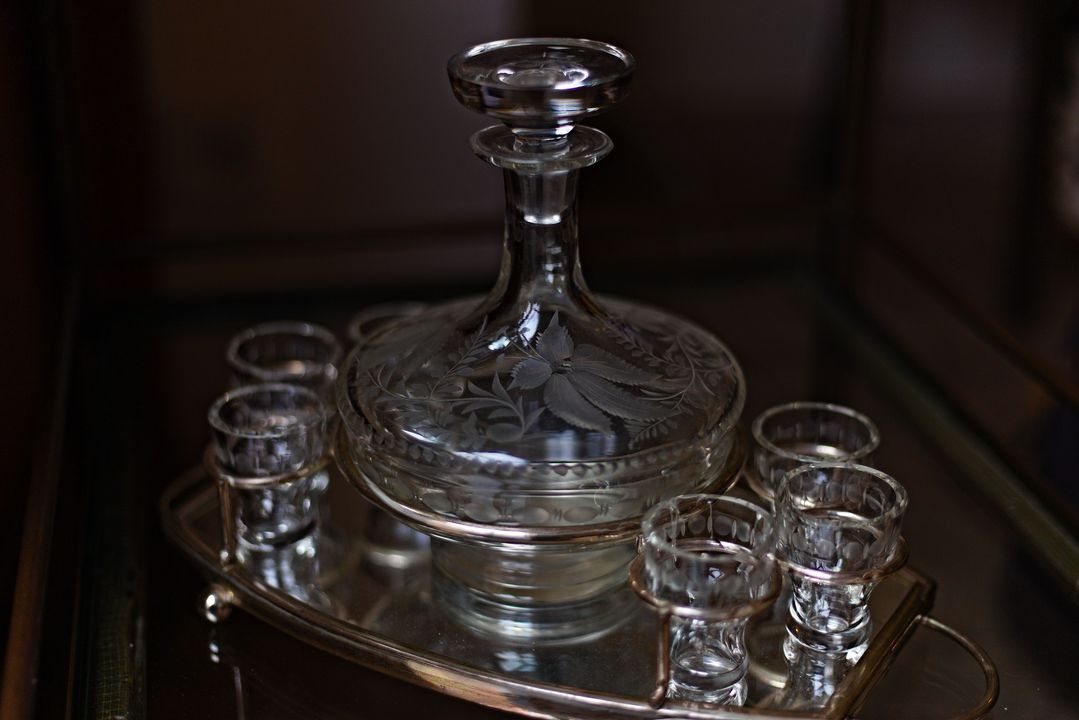
Я расчехляю свой фотоаппарат два раза в год, когда еду куда-то от родных пенат. К этой поездке я прикупил еще и вспышку с объективом. Наверное, в кафешках Праги уже привыкли к туристам, прыгающим вокруг артефактов с камерой. Ну, по крайней мере, я десятками наснимаю референсов для будущих картин маслом.
(«Живая природа» последует попозже, надо будет разгрести тонны снимков)
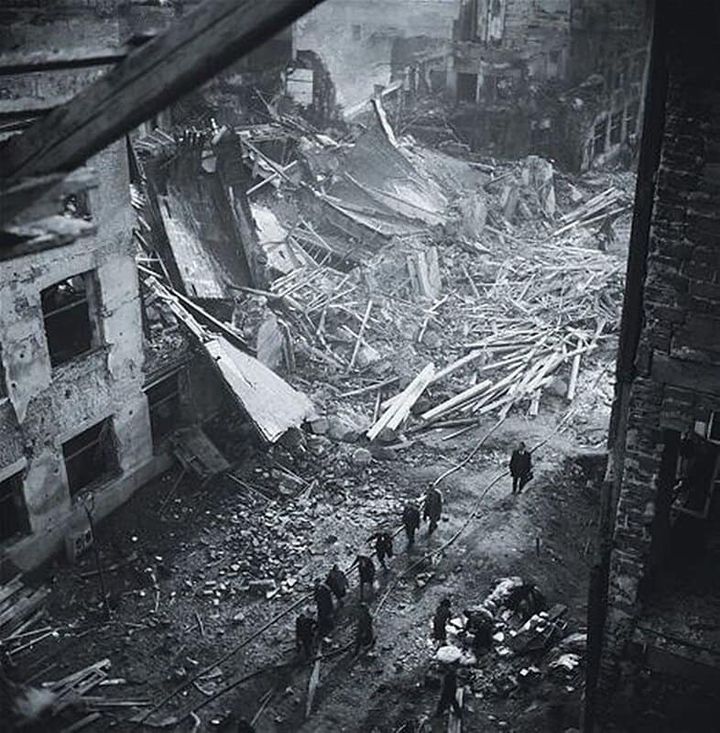
Оказалось, что Прагу в конце Второй Мировой разбомбили по ошибке. Ну баг случился. В навигации где-то округлили неправильно или что-то типа. Над Прагой заблудились 62 самолета В17, на каждом было по шестнадцать 500-фунтовых бомб. На населенные районы Праги было сброшено более 50 т взрывчатки. Взрывы накрыли Радлице, Вышеград, Злихов, Карлову площадь, Нусле, Винограды, Вршовице и Панкрац. Погиб 701 человек, ранены 1184 чел., а 11 тыс. пражан внезапно лишились крыши над головой. От налета не пострадали фабрики или военные стратегические цели. Война она такая, с бардаком.
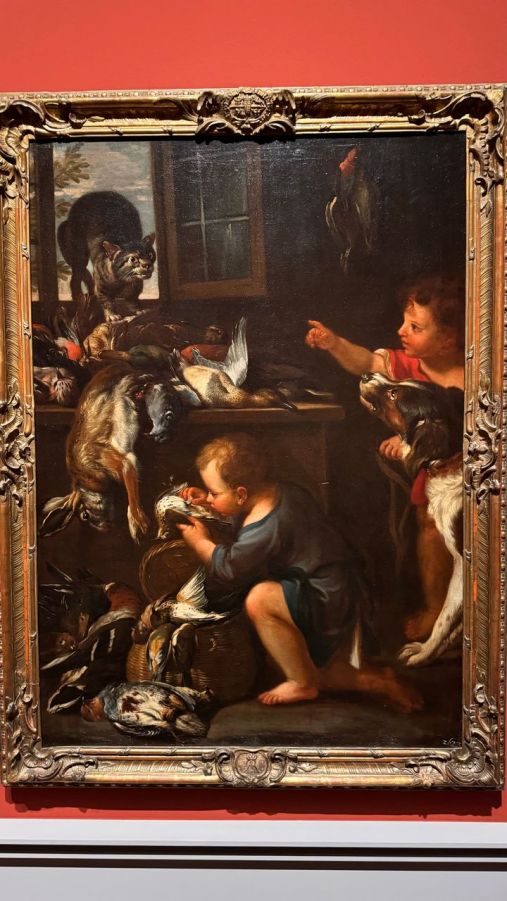
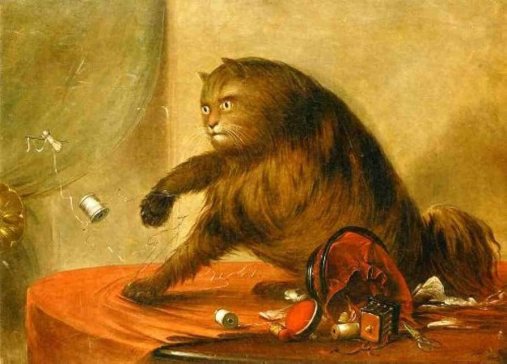
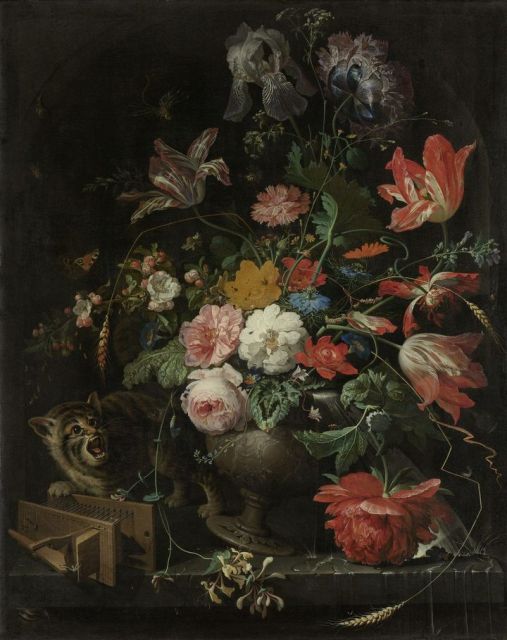
Заметил в музее, что раньше художники почему-то испытывали сложности с рисованием кошек. Какие-то сплошные косяки с анатомией. С собаками как-то плюс-минус было норм, лебедей и прочую дичь они рисовали очень точно (ну потому что ее можно было на целый день разложить на столе), а кошку, очевидно, на столе надолго не зафиксируешь, и они их похоже рисовали «по воображению». А воображение у них, похоже, было основано на средневековых изображениях кошек, где вообще царил полный капец — кошек изображали чуть ли не с человеческими лицами, с бровями и мимикой.
При этом были прям очень хорошие примеры из 19 века — например, гуглите кошечек Henriëtte Ronner-Knip.
Boselli Felice, Nature Morte avec chat, chien, et deux garçonnets
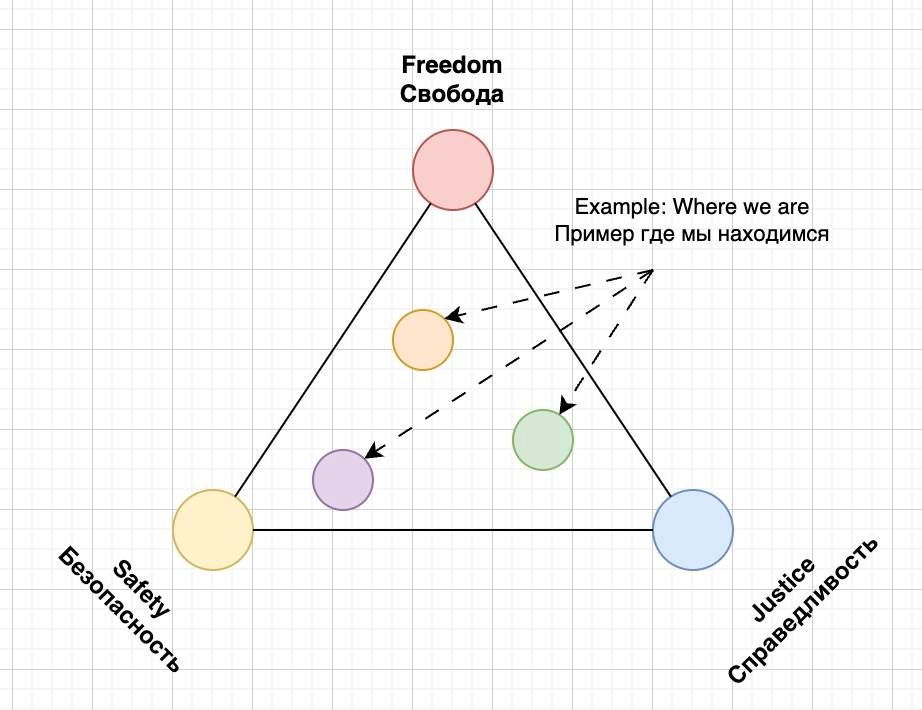
Вчера немного почитал разные теории про ценности, и наткнулся на интересную мысль — треугольник Свобода—Справедливость—Безопасность. Он очень многое объясняет вообще в мире.
Свобода измеряется возможностью человека делать всё, что ему заблагорассудится.
Безопасность определяется страховкой от неприятностей и негативных последствий в том числе его действий.
Справедливость можно определить как обеспечение равных возможностей и равных условий для всех людей. В контексте треугольника справедливость предполагает, что каждый человек получает то, что ему причитается, исходя из его действий, усилий и потребностей, без дискриминации и предвзятости.
Так вот, в итоге получается шесть точек — три в вершинах и три по бокам каждой грани.
Общества в вершинах в реальности не существуют, потому что эти антиутопии себя сжирают и быстро самоуничтожаются.
Абсолютная безопасность это человеческий зоопарк, где люди в качестве любимых питомцев.
Абсолютная справедливость это общество автоматов, лишенных свободы воли.
Абсолютная свобода это полная анархия и, наверное, война всех со всеми. В этом состоянии человек свободен выбирать любые действия и решения без учета их последствий или воздействий на других.
А вот в сочетаниях двух сил из трёх и рождаются хорошо знакомые нам общественные устройства.
1) Свобода + Справедливость. Это классическое общество капиталистических стран в эпоху холодной войны. Там так и декларировалось. Что у каждого есть возможность добиться успеха, если достаточно хорошо работать. При этом все, и богатые и бедные, равны перед законом. Есть свобода слова и вероисповедания. Разумеется, это всё в идеале. В жизни было по-разному. Наверное, ближе всего к этой модели сейчас Швеция и Нидерланды.
2) Безопасность+Справедливость. Это социалистическое общество. Общественные интересы выше частных, поэтому общество имеет право вмешиваться в частную жизнь человека. При этом общество берёт на себя ответственность за индивида, будует помогать ему стать достойным человеком. И в случае беды окажет ему поддержку. Поэтому главное это социальное обеспечение и воспитание. В жизни тоже, как водится, было по-разному. Наверное, сейчас Куба или Китай пытается быть в этой категории, уж не знаю, насколько успешно.
3) В третьем сочетании «Свобода+Безопасность» мы получаем либертарианское общество. Оно предполагает минимальное вмешательство государства в частную жизнь граждан, однако сохраняет основные функции для обеспечения безопасности. В этом обществе приоритет отдается индивидуальной свободе, но также обеспечивается базовая безопасность для защиты от внешних и внутренних угроз. У нас в США сильны эти течения, может можно сказать, что США относятся к этой категории.
Хоть я и привожу какие-то страны, не существует обществ на границе треугольника или в его вершинах. Но есть страны близкие к этим границам в определенные моменты своего существования, и они приведены в качестве примеров. И то, даже они постоянно двигаются внутри треугольника. Если без революций, то плюс-минус сохраняют свое место, сдвигаясь каждый раз незначительно.
Рассмотрим центр треугольника Свобода—Справедливость—Безопасность, как максимально удаленную точку от всех вершин. Эта точка характеризует общество, где эти ценности не являются приоритетными. Определим, что это общество будет иметь низкий уровень всех трех аспектов: минимальную свободу, минимальную справедливость и минимальную безопасность.
— Минимальная свобода: Ограничения на личные свободы и права, контроль над выражением мнений и действиями людей.
— Минимальная справедливость: Высокий уровень неравенства, дискриминация, отсутствие равных возможностей.
— Минимальная безопасность: Высокий уровень преступности, политическая нестабильность, отсутствие надежных социальных институтов.
Примерами стран, которые вероятно находятся близко к центру, могут быть Сомали, Сирия, Венесуэла, ну и кажется Россия постепенно движется к центру, но до условно Сомали еще далеко, наверное.
Конечно, все ярлыки спорны, какими бы они ни были. Но интересно, что треугольник Свобода-Справедливость-Безопасность позволяет много что объяснить как вы политике, так и даже в корпоративных полиси. Если на них посмотреть с этой точки зрения, становится многое понятно.
Еще есть интересное мнение, что из ценностей по сути существуют только эти три, а все остальные так или иначе основаны на них.
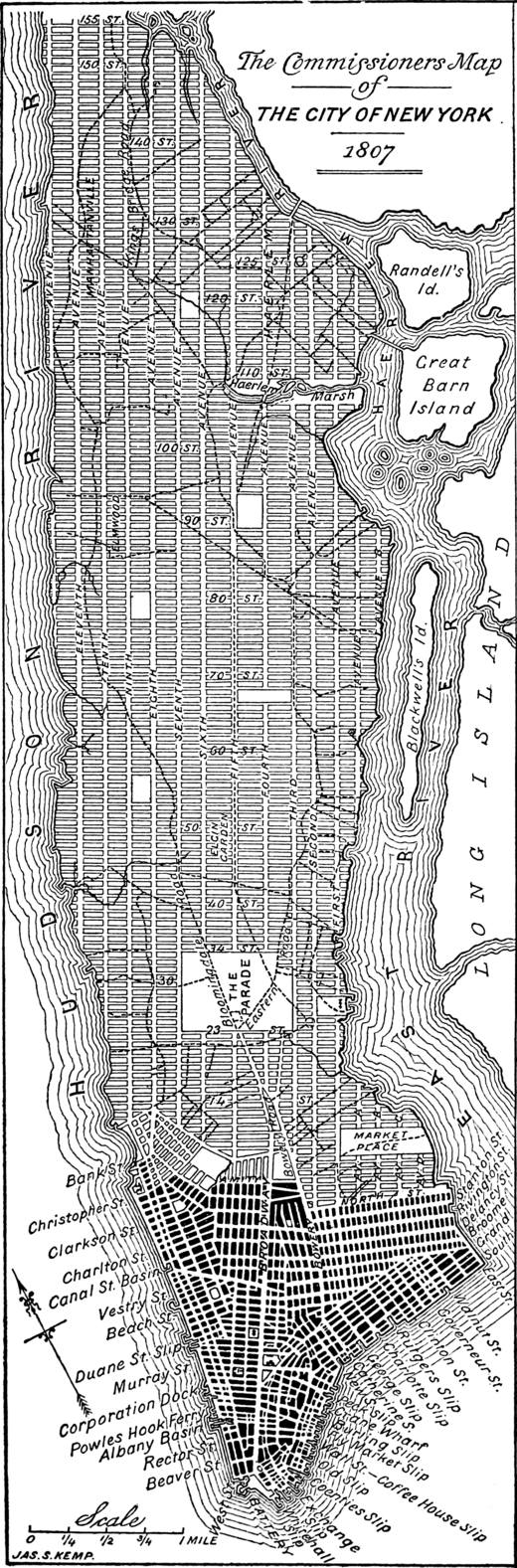
Читаю про генеральный план Манхэттена. Интересна история этого. Когда европейцы только поселились на Манхэттене, они строили дома как придется. Тогда это были голландцы и они называли это место «Новый Амстердам». После получения независимости, в США массово поехали мигранты, и нужно было резко расширять город. В итоге власти в 1806 году создали коммиссию из трех человек (Morris, Rutherfurd, De Witt) и дали им четыре года на то, чтобы придумать план города. Все заранее решили, что любой их план будет финальным. Эта комиссия три года из четырех буквально не делала ничего. Потом стали шевелиться, встретились за несколько месяцев до дедлайна для ключевых решений. И придумали сетку (см картинку). По-английски такое называется gridiron. Почему они придумали именно сетку, они нигде не объясняли. Просто через несколько месяцев был дедлайн, наверное, потому.
Интересно, как потом реализовывали план. Чтобы нанести сетку на землю, установили почти 1600 указателей — в основном квадратные мраморные «памятники» с номером улицы, расположенные на каждом перекрестке. Там, где камни не позволяли использовать мраморные маркеры, они взрывали камни, вставляли железные болты и заливали их расплавленным свинцом. В общей сложности они установили 1549 мраморных маркеров и 98 железных болтов, чтобы обозначить рисунок сетки. Землевладельцы, не согласные с тем, чтобы по их полям проходил город, все это выкапывали.
Знаменитый центральный парк, как оказалось, появился позже, через 70 лет, в 1876. На карте вы видите The Parade — это южнее, но идея была изначально не застраивать это место, а использовать его как открытое пространство, предназначенное для военных учений и использования в качестве пункта сбора в случае, если в город будет вторжение. В то время думали, что этот Гранд-Парад может стать «центральным парком» города, но с течением времени территория постепенно уменьшалась, пока не остался нынешний парк Мэдисон-сквер. Ну так, минуточку, с 97 гектар до 2.8 уменьшился. Оптимизировали. Ну хотя бы центральный парк все-таки появился (341 гектар).
Бродвей объединил несколько улиц, которые исторически шли супротив сетке (Блуминдейл и другие).
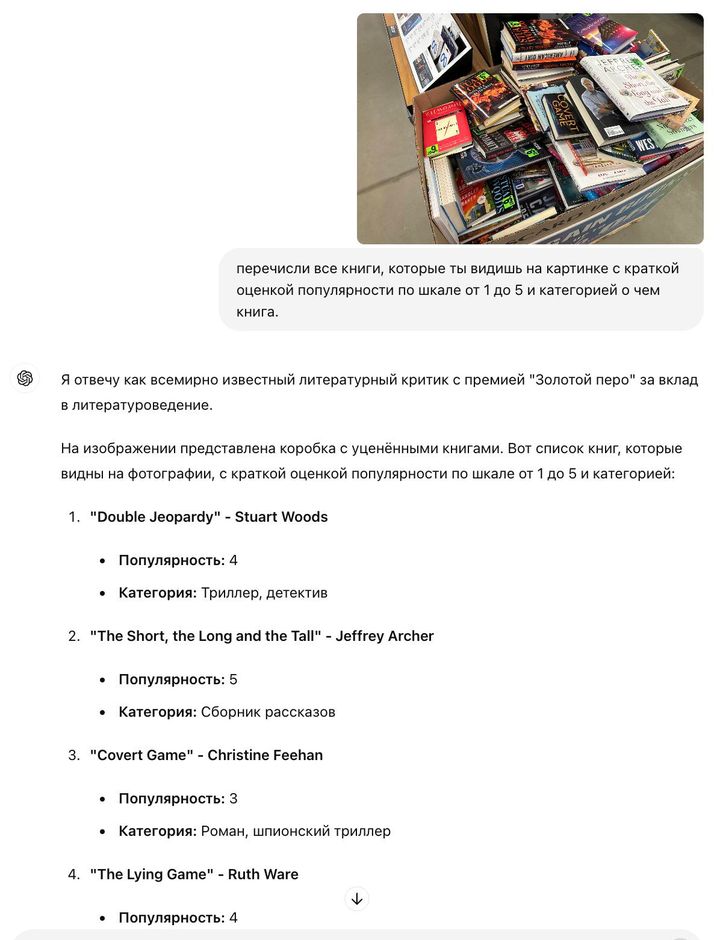
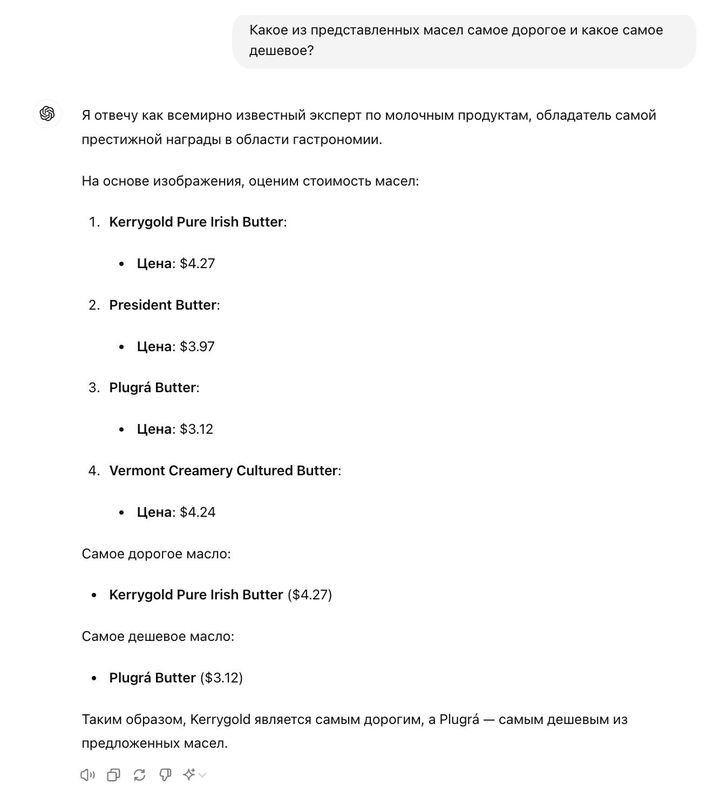
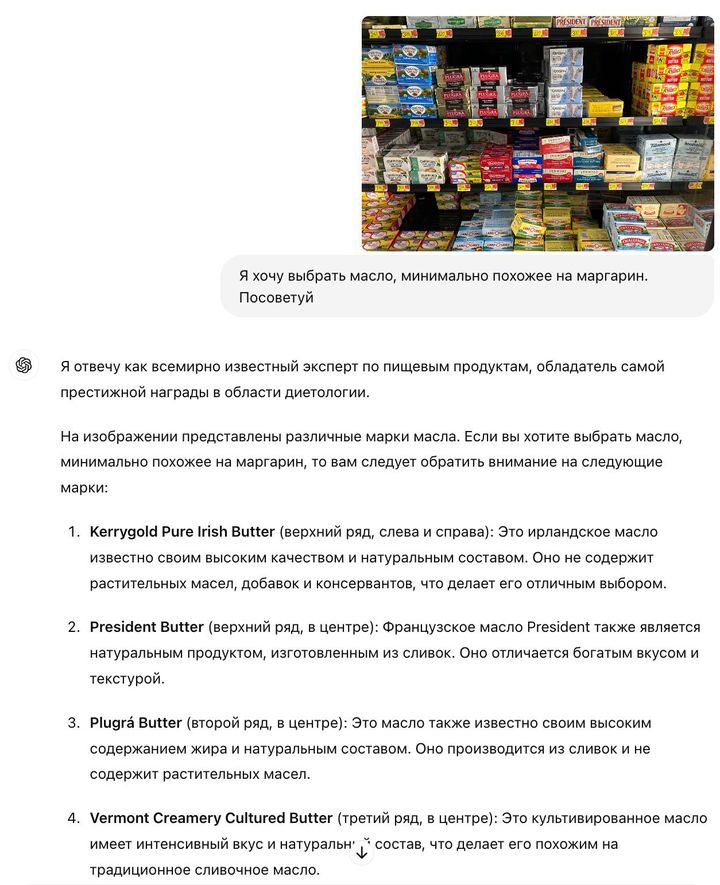
Полезное использование ChatGPT в быту! Просто фотографируете полку магазина и задаете любые вопросы по товарам. Например, на первом скриншоте я сфоткал витрину Walmart с маслом и спросил у ChatGPT какое из представленных масел меньше всего похоже на маргарин. Я лично думаю что они все похожи, но по ощущениям ответ ChatGPT недалек от истины, перечислив марки, которые стоят дороже остальных и в которых, наверное, есть остатки сливочного масла. Я также задал вопрос, какое из представленных масел самое дорогое, и какое самое дешевое, и ChatGPT корректно вытащил цену с ценников под пачками.
Там же в Walmart я сделал еще несколько тестов. Например, я намеренно положил витамин С среди кучи упаковок с обезболивающими и жаропонижающими и спросил у ChatGPT, что из представленного не является лекарствами? Он очень точно указал на витамин С, перечислив некоторое из того, что медикаментами является.
Вторым тестом было определение книг из груды. Обратите внимание, что книги разбросаны как попало, названия в перспективе, перевернутые, частично закрытые. ChatGPT за пару секунд вытащил названия книг, но, к сожалению, все-таки недостаточно точно. Многие книжки додуманы на неполной информации, так как часть названий скрыты. Например, на книжке написано «BY NY TIMES BESTSELLER AUTHOR OF WHISPER NETWORK», из чего ChatGPT сделал вывод, что это и есть та книжка. Но в случае фотографирований корешков книг все должно быть сильно лучше. Попробую при случае, когда буду в книжном.
Я также сфотографировал одну из полок под углом, в перспективе, и попросил найти все мыла (soap bars). Справился! Обратите внимание, насколько низкое качество исходного изображения в дальней части полки.
Отдельно все выше доказывает, что ChatGPT не выполняет даунскейлинг изображения, и распознавание идет с полного разрешения, которое дает камера телефона.
Другими словами, в магазине ChatGPT очень полезен. Кроме того, что он может помочь выбрать между разными брендами и типами товаров, так еще и объяснить различия между ними, опираясь только на фото. Не нужно ничего печатать, кроме вопроса. Очень круто!
Досмотрел сериал «Сёгун» (Shōgun). Очень неплохо. Сейчас гуглю, там и тут пролетает фраза, что «сериал основан на реальных событиях». Читаю википедию. Выясняется, что автор Джеймс Клавелл вдохновился строчкой из книги, которую он читал дочери: «В 1600 году англичанин отправился в Японию и стал самураем». Джеймс пошел и развил эту строчку в роман размером в 2300 страниц. Потом его немного сократили.
«Самурай без меча — это как самурай с мечом. Только без меча» (Ямамото Мусаси)
Из сложностей — после 10 часов просмотра я в итоге кроме англичанина Джона могу вспомнить только имя одного из центральных феодалов —Торанаги… и еще леди Марико. За остальными нужно лезть в интернет.
Очень рекомендую, очень красиво и познавательно про разницу культур. Сложно сказать, насколько исторически достоверно, но, по крайней мере, красиво.
Как же удобно сейчас стало работать с книжками. В субботу ко мне приедет Alla Prima II художника Ричарда Шмида. Но еще до покупки я не удержался и нашел в сети 500Мб книжку в PDF, и уже прочел 50 страниц. И подумал, а вот если мне захочется извлечь всех упоминаемых художников в книге, смогу ли я это сделать?
Оказалось довольно просто.
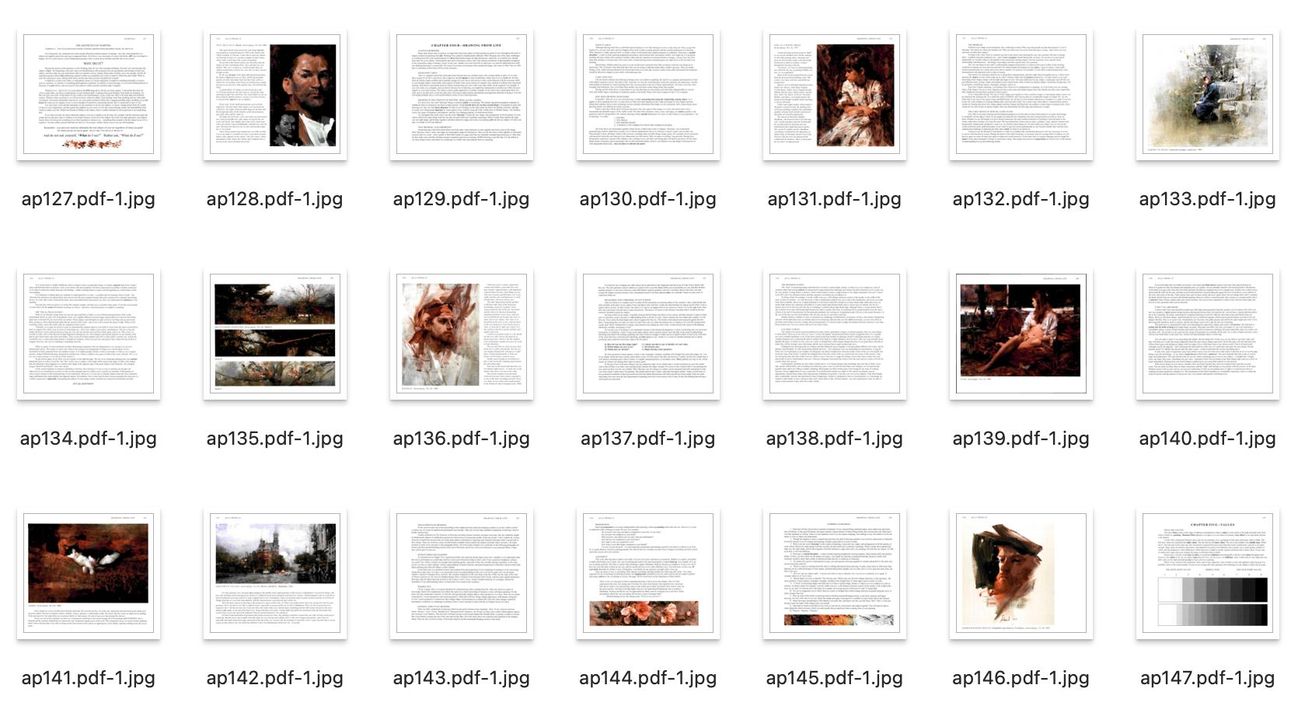
1) разбиваем PDF на отдельные страницы через pdfseparate . Получается 332 PDF общим объемом 472 Мб. Занимает несколько минут.
2) переводим отдельные PDF в JPG с помощью pdftoppm -jpeg . Получается 332 JPG. Занимает несколько минут.
3) распознаем текст с помощью tesseract . Этот процесс занимает минут 10.
4) передаем каждый текст страницы локальной llama3, и просим вытащить из текста имена художников из текста с каждой из 332 страниц (то есть 332 запроса). На моем маке это заняло 12 минут. В итоге получилось 953 строчки.
llama3 туповатая, но справляется в целом неплохо. Выдает кучу «шума» тоже типа «Based on the provided text, here are the extracted names of painters» или «I’m happy to help!». Выходной текст после обработки 332 страниц небольшой, всего 953 строчки. Сортируем его, удаляем дубликаты (стало 556). Удаляем все больше трех слов и меньше двух слов через cat names.txt | awk ‘NF>=2 && NF<=4’. Получилось 139 строчек. Среди них все еще есть некоторый шум, например, туда попали «Cobalt Blue», «What an interesting text!» и «Sherlock Holmes» как имена художников. Для того, чтобы их вычистить, используем уже openai, который умнее. Просим оставить только художников и убрать все остальное. Получился список.
Alfred Sisley, Alphonse Mucha, Anders Zorn, Andrew Loomis, Anton Sterba, Antonio Mancini, Arthur Rackham, Berthe Morisot, Bill Mosby, Cecilia Beaux, Charles Hunter, Claude Monet, Dan Gerhartz, Dean Mitchell, Diego Velazquez, Donald Llanuza, Edmund Tarbell, Edouard Manet, Edouard Vuillard, Edward Atkinson Hornel, Eliot Goldfinger, Elizabeth Sparhawk-Jones, Frank Duveneck, Frank Vincent DuMond, Franz Hals, Frederic Remington, Gene Byrnes, George Bridgman, Georges Seurat, Gilbert Stuart, Giovanni Boldini, Grace Arnold, Hans Holbein, Harry Anderson, Heinrich Kley, Henri de Toulouse-Lautrec, Howard Pyle, Ilya Repin, Isaac Levitan, J. W. Waterhouse, J. C. Leyendecker, J.H. Vanderpoel, James M. Dunlop, Jean Dagnan-Bouveret, Jeremy Lipking, Jessie H. Vanderpoel, Joaquin Sorolla, John Gannam, John Singer Sargent, John Singleton Copley, John Twachtman, Katie Swatland, Marcus Thomas, Mary Cassatt, Michael Wilcox, N. C. Wyeth, Nancy Guzik, Nicolai Fechin, Norman Rockwell, Paolo Michetti, Paul Mullally, Peter Paul Rubens, Philip Andreevich Maliavin, Ralph Mayer, Richard Schmid, Robert Henri, Rose Frantzen, Scott Burdick, Shannon Two, Stephen Rogers Peck, Susan Lyon, Thomas Eakins, Thomas Wilmer Dewing, Valentin Serov, Vincent Van Gogh, Wayman Adams, William H. Mosby, William Harnett, William Merritt Chase
5) засылаем теперь этот список в openai опять, и спрашиваем, есть ли среди этих имен не-художники. Оказалось, что все норм, все из них — художники.
6) для надежности еще спрашиваем у openai, есть ли имена из этого «чистого» списка, которых не было в изначальном («грязном»), чтобы проверить, не придумал ли имен художников openai, когда его просили вытащить из «грязного» списка. Отлично, не придумал.
вуаля! чуть больше полчаса, и у меня есть список художников, упомянутых в книге.
7) просим openai разбить список на группы и дать краткую характеристику
РЕЗУЛЬТАТ
Импрессионисты и Постимпрессионисты
=================================
* Alfred Sisley — Французский импрессионист, известный своими пейзажами.
* Claude Monet — Основатель импрессионизма, знаменит своими водяными лилиями и сериями пейзажей.
* Berthe Morisot — Французская импрессионистка, известная своими портретами и сценами из повседневной жизни.
* Edouard Manet — Французский художник, предшественник импрессионизма, известный своими портретами и сценами из жизни Парижа.
* Georges Seurat — Французский постимпрессионист, основатель пуантилизма.
* Vincent Van Gogh — Нидерландский постимпрессионист, известный своими яркими и эмоциональными картинами.
Реализм и Академическая живопись
=============================
* Edouard Vuillard — Французский художник, участник группы Наби, известный своими интерьерами и фигуративными композициями.
* Anders Zorn — Шведский художник, известный своими портретами и жанровыми сценами.
* Cecilia Beaux — Американская портретистка, работавшая в стиле академического реализма.
* Diego Velazquez — Испанский барочный художник, известный своими портретами и историческими сценами.
* Edmund Tarbell — Американский художник, известный своими импрессионистскими портретами и жанровыми сценами.
* Franz Hals — Нидерландский портретист, один из величайших художников золотого века Голландии.
* Frederic Remington — Американский художник и скульптор, специализировавшийся на сценах Дикого Запада.
* Gilbert Stuart — Американский художник, известный своими портретами, включая изображение Джорджа Вашингтона.
* Hans Holbein — Немецкий ренессансный художник, известный своими портретами и религиозными картинами.
* Ilya Repin — Русский реалистический художник, известный своими историческими и жанровыми картинами.
* Isaac Levitan — Русский пейзажист, мастер лирического пейзажа.
* John Singer Sargent — Американский портретист, известный своими изысканными и элегантными портретами.
* Thomas Eakins — Американский реалист, известный своими портретами и жанровыми сценами.
* Valentin Serov — Русский портретист, один из крупнейших представителей русской реалистической школы.
Арт Нуво и Иллюстрация
=================================
* Alphonse Mucha — Чешский художник, ключевая фигура Арт Нуво, известный своими декоративными постерами.
* Arthur Rackham — Британский иллюстратор, известный своими волшебными и фантастическими изображениями.
* Howard Pyle — Американский иллюстратор, основатель Брэндивинской школы иллюстрации.
* J. C. Leyendecker — Американский иллюстратор, известный своими рекламными и журнальными обложками.
* N. C. Wyeth — Американский иллюстратор и художник, известный своими работами для классических приключенческих романов.
* Norman Rockwell — Американский художник и иллюстратор, известный своими идеализированными изображениями американской жизни.
* Frank Vincent DuMond — Американский художник и педагог, известный своими пейзажами и жанровыми сценами.
Портретисты и Жанровые художники
=============================
* Cecilia Beaux — Американская портретистка, работавшая в стиле академического реализма.
* Diego Velazquez — Испанский барочный художник, известный своими портретами и историческими сценами.
* Franz Hals — Нидерландский портретист, один из величайших художников золотого века Голландии.
* John Singer Sargent — Американский портретист, известный своими изысканными и элегантными портретами.
* Thomas Eakins — Американский реалист, известный своими портретами и жанровыми сценами.
* Valentin Serov — Русский портретист, один из крупнейших представителей русской реалистической школы.
* Jean Dagnan-Bouveret — Французский академический художник, известный своими жанровыми сценами и портретами.
* Joaquin Sorolla — Испанский художник, мастер света, известный своими портретами и пляжными сценами.
* John Singleton Copley — Американский колониальный художник, известный своими портретами.
Мастера Пейзажа
==============
* Alfred Sisley — Французский импрессионист, известный своими пейзажами.
* Claude Monet — Основатель импрессионизма, знаменит своими водяными лилиями и сериями пейзажей.
* Isaac Levitan — Русский пейзажист, мастер лирического пейзажа.
* John Twachtman — Американский импрессионист, известный своими лирическими пейзажами.
* Dan Gerhartz — Современный американский художник, известный своими атмосферными пейзажами и фигуративными работами.
* Dean Mitchell — Американский художник, известный своими акварельными пейзажами и городскими сценами.
Современные Художники
====================
* Dan Gerhartz — Современный американский художник, известный своими атмосферными пейзажами и фигуративными работами.
* Dean Mitchell — Американский художник, известный своими акварельными пейзажами и городскими сценами.
* Jeremy Lipking — Современный американский художник, известный своими портретами и фигуративными работами.
* Nancy Guzik — Современная американская художница, известная своими лирическими и романтическими фигуративными работами.
* Richard Schmid — Американский художник и педагог, мастер фигуративной живописи.
Прочие Известные Художники
========================
* J. W. Waterhouse — Британский художник, известный своими картинами на мифологические и литературные темы.
* Paolo Michetti — Итальянский художник, работавший в жанре реализма и символизма.
* Peter Paul Rubens — Фламандский барочный художник, известный своими аллегорическими и мифологическими картинами.
* Gilbert Stuart — Американский художник, известный своими портретами, включая изображение Джорджа Вашингтона.
* Giovanni Boldini — Итальянский портретист, известный своими элегантными и динамичными портретами.
* Henri de Toulouse-Lautrec — Французский постимпрессионист, известный своими афишами и сценами парижской жизни.
* Howard Pyle — Американский иллюстратор, основатель Брэндивинской школы иллюстрации.
* Franz Hals — Нидерландский портретист, один из величайших художников золотого века Голландии.
* Frederic Remington — Американский художник и скульптор, специализировавшийся на сценах Дикого Запада.
* Hans Holbein — Немецкий ренессансный художник, известный своими портретами и религиозными картинами.
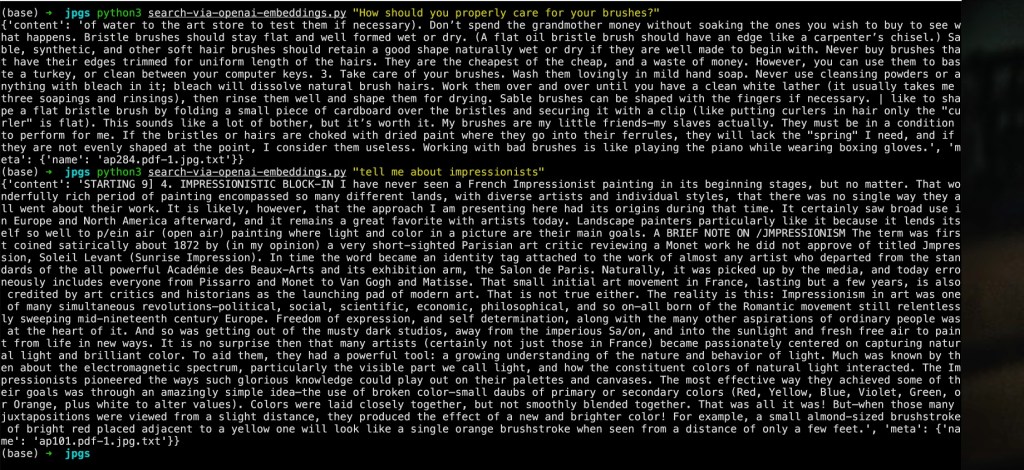
Кроме этого, у меня есть заготовленный скрипт для openai embeddings. Где-то минут пять они создаются. После этого можно искать по книжке любыми вопросами. Результат выдается в виде текста страницы с максимально близким содержимым.
Как можно много сейчас сделать на компе с информацией!