Мастер storyteller: Norman Rockwell and his love of detail | 16 апреля 2024 года, 15:06

(ENG below) Как-то я совсем забыл про Norman Rockwell. Я ж даже на Saturday Evening Post подписан, и вообще мой поход в Библиотеку Конгресса за архивами этого журнала начался именно с этого художника. Вот так делались иллюстрации на обложку журнала — художник писал маслом крупноформатную картину на злободневную тему, дальше ее фотографировали, и помещали на обложку, а он шел делать следующую. И посмотрите с какой любовью к деталям! Вот уж не назовешь рутиной. Ушла эпоха, теперь и художники другие, и работа их выглядит сильно иначе. К каждой картине шла либо история, либо это было самовыражением художника, поднимающим тиражи. Например, девочка с фингалом — это натурщица Мэри Уэлен-Леонард, дверь директора школы и антураж — из школы Cambridge, New York. Причем художник умудрился физически вывезти дверь из школы к себе в студию. Некоторые картины — иллюстрации к историям журнала. Но мне кажется, все его картины рассказывают историю, выдуманную или реальную, и потому их интересно рассматривать.

В 1943 году пожар в его студии уничтожил все работы, которые там хранились, а также костюмы и реквизит, собранные за многие годы. Также была уничтожена его коллекция трубок. Роквелл говорил, что мог случайно уронить уголек из своей трубки на стул, который стоял под выключателем света, когда он выключал свет и покидал студию той ночью. Друзья, которые приходили к нему в студию, говорили, что у него была привычка зажигать трубку и бросать спичку в большой железный горшок, где он хранил тряпки, смоченные в терпентине.

Даже до пожара Роквелл выбрасывал некоторые из своих оригинальных масляных картин и эскизов. Он отправлял картину в “Saturday Evening Post” для обложки, и когда она возвращалась, он срывал холст с рамы, выбрасывал его и натягивал новый холст на раму для следующей картины.

Когда одна из поклонниц написала ему с просьбой купить некоторые из его оригинальных работ, он назвал её “сумасшедшей женщиной из Чикаго” и взял с неё 100 долларов за каждый из семи холстов. Семья “сумасшедшей женщины” продала картины в 1990-х годах за 17 миллионов долларов.

#artrauflikes

I completely forgot about Norman Rockwell. I’m even subscribed to the Saturday Evening Post, and it was this artist who actually sparked my venture to the Library of Congress for archives of this magazine. That’s how magazine cover illustrations were made— the artist painted a large-scale oil painting on a topical subject, then it was photographed and placed on the cover, and he would go on to make the next one. And look at the attention to detail! It’s certainly not routine. That era has passed; now the artists are different, and their work looks quite different too. Each painting was accompanied either by a story or served as a form of self-expression by the artist, boosting circulation. For example, the girl with the black eye was the model Mary Whalen Leonard, the principal’s door and the setting were from a school in Cambridge, New York. The artist even managed to physically transport the door from the school to his studio. Some paintings were illustrations for stories in the magazine. But I think all his paintings tell a story, whether fictional or real, and that’s what makes them interesting to look at.

In 1943, a fire in his studio destroyed all of the work stored there, as well as costumes and props that he had collected over the years. Also destroyed was his collection of pipes. Rockwell said that he may have dropped an ash from his pipe onto a chair that sat under the light switch when he turned off the lights to leave the studio that night. Friends who visited him at the studio said that he had a habit of lighting his pipe and then tossing the match into a large iron pot in which he stored his turpentine rags.

Even before the fire, Rockwell discarded some of his own original oils and sketches. He would send a painting to the Saturday Evening Post to be used for a cover and, when it was returned, he would rip the canvas off the frame, toss it away and stretch a new piece of canvas onto the frame for the next painting.

When a fan wrote to him, asking if she could buy some of his original work, he called her, “the crazy woman from Chicago” and charged her $100 a piece for seven canvasses. The “crazy woman’s” family sold the paintings in the 1990s for $17 million

#artrauflikes

Бумага против экрана: от Netflix до книги | 15 апреля 2024 года, 22:24

Есть кто-нибудь, кто читал? Я начал смотреть сериал на нетфликсе, но спустя несколько серий больше не мог выносить дикие упрощения в ущерб здравой логике, ну и остальные нетфликсоспецифичные штуки по чеклисту. Там Eiza Gonzalez хорошая, да, может норм причина глянуть пару серий. Не выдержал всего этого, перестал смотреть, заказал книжку. Прочитал четверть. Пока очень интересно — такая твёрдая научная фантастика, вполне в духе привычной от Азимова и Кларка. В книжке и близко нет ореола супергероев в стиле Марвел. Поначалу бросалось в глаза то, что перевод с китайского, и в итоге английский там странный. Как появилась эта мысль, стал внимательнее искать примеры, а их нет. То ли это начало было такое, то ли предрассудки. Ну еще посмотрим, 3/4 осталось. Если кто читал, скажите как вам (но не спойлирите). Это вообще трилогия, так что ещё два тома на очереди.

15 апреля 2024 года, 16:05

Опубликовал новую статью на Hybrismart — про delta detection в механизмах импорта данных и поисковой индексации. Только за счет него удалось смягчить тупизну систем выше по течению и в десять раз ускорить обновление данных

https://hybrismart.com/2024/04/15/delta-detection-and-incremental-updates-in-the-integration-processes-reducing-unnecessary-writes-to-the-database/

https://hybrismart.com/2024/04/15/delta-detection-and-incremental-updates-in-the-integration-processes-reducing-unnecessary-writes-to-the-database/

Резонанс с культурным кодом | 15 апреля 2024 года, 09:38

(ENG below) Андрей Шатилов. У меня сложное отношение к его живописи (как и к Василию Шульженко, например), но все-таки работы Андрея резонируют с культурным кодом живущих в той России и в СССР. В них есть юмор, они похожи на иллюстрации, но это полноценные картины маслом, и идея и композиция делает их уникальными при в целом достойном техническом исполнении.

#artrauflikes

Andrey Shatilov. I have mixed feelings about his paintings (as with Vasily Shulzhenko’s, for example, as well), but still, Andrey’s works resonate with the cultural code of those living in that Russia and in the USSR. They have humor, they resemble illustrations, but these are full-fledged oil paintings, and the idea and composition make them unique with a generally decent technical execution.

Fusion of Realities: How AI Will Shape the Future of Human Interaction | 13 апреля 2024 года, 13:06

Опубликовал статью на Hybrismart про то, как может выглядеть мир, где AI интегрирован в жизнь каждого из нас. Статья на английском.

Imagine a world where an AI system not only listens but observes, constantly collecting data unless explicitly told not to. This “exoskeleton for the brain” is not just a tool but a transformative extension of human capability, enhancing efficiency and decision-making in everyday tasks. For some, this raises alarms about privacy and the potential for misuse in a society already wary of data overreach. Yet, the real question lingers: how will such capabilities shape the way we live, work, and interact not just with technology but with each other?

As we stand on the brink of making these integrations a reality, it’s important to consider not only the current implications but also the generational shift that might come with it. The youth of today, growing up with AI as a norm rather than an addition, might view this integration as indispensable—melding their cognitive functions with artificial intelligence to an extent previously unimagined. This narrative isn’t just about the technology we create but also about the human experiences and societal structures that will evolve with it. Dive into the full discussion to explore the profound shifts looming on the horizon.

https://hybrismart.com/2024/04/13/fusion-of-realities/

https://hybrismart.com/2024/04/13/fusion-of-realities/

11 апреля 2024 года, 10:27

Сегодня заинтересовался, почему Y – игрек. Это “i grec”. “i” греческое. Причем в греческом эта буква – юпсилон “υ”. Например, в немецком языке, датском и бразильском португальском Y имеет название ipsilon. Теперь почему “и”. Taк кaк в лaтинcкoм языкe нe былo звyкa [uː] (как в uber), pимлянe нaзывaли зaимcтвoвaннyю бyквy «гpeчecкaя И» или «И-гpeк» (тo ecть «Игpeк»), тeм caмым yкaзывaя нa пpoиcxoждeниe бyквы и звyкa. В греческом сейчас нет такого звука, там y произносится как i. Но раньше был.

Забавно еще то, что Y может действовать как гласная, и согласная в английском языке. В начале слов – как согласная (yes, yellow). В конце слов – как гласная.

Интересно, что во франции есть населенный пункт с названием Y. Ищите через “Y, France”.

Meet Alex Russell Flint: The Emerging Artist Whos Redefining the Rules of Contemporary Art | 10 апреля 2024 года, 22:42

Интересный современный художник — Alex Russell Flint. У него совсем немного работ, но что-то необычное в них есть. Девочка с ружьем существует в пяти что-ли вариациях, я не стал их тут все приводить. С лопатой у тела есть в двух-трех, одна, на другой напарницу привела. Есть девочка в коньках перед ступеньками и после. В общем, если тоски не хватает — можно всегда повестить в гостиной его картину и наблюдать, что там с тоской происходит

#artrauflikes

Brushstrokes of Perception: Mark Andrew Beileys Impressionist Revelation | 10 апреля 2024 года, 10:15

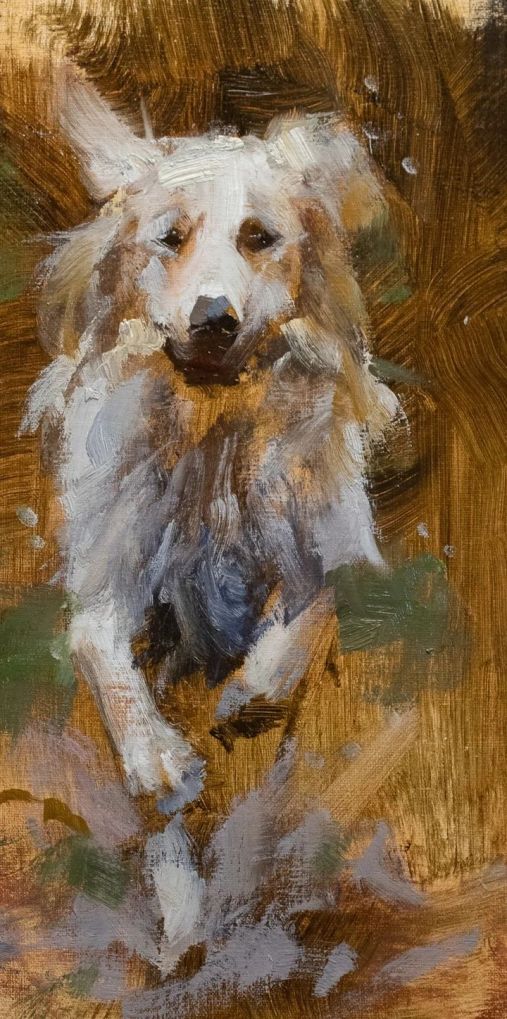
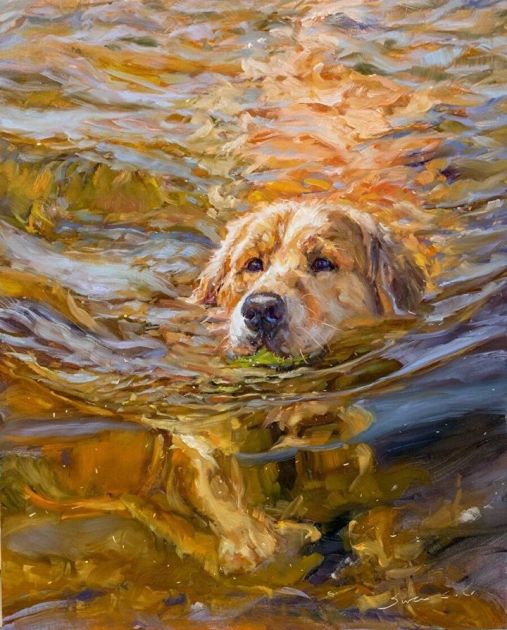
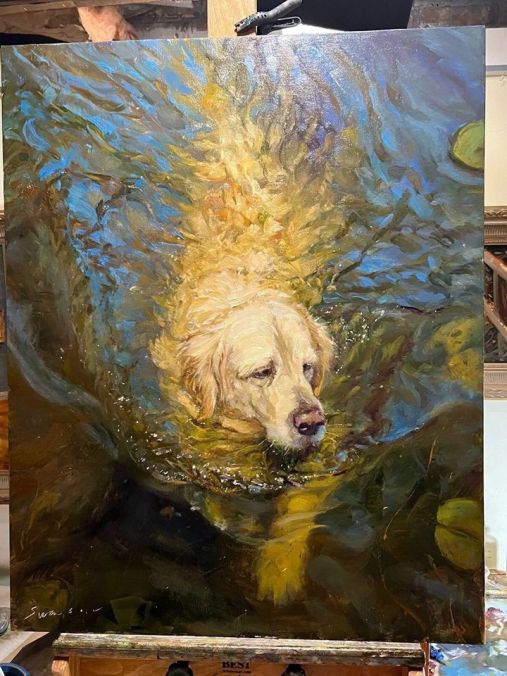
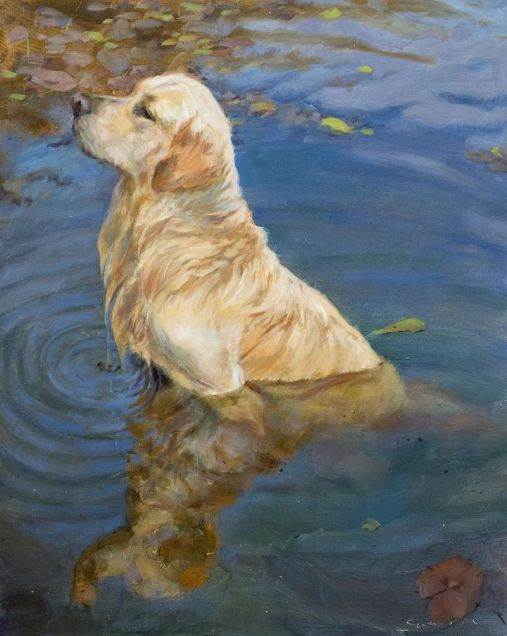
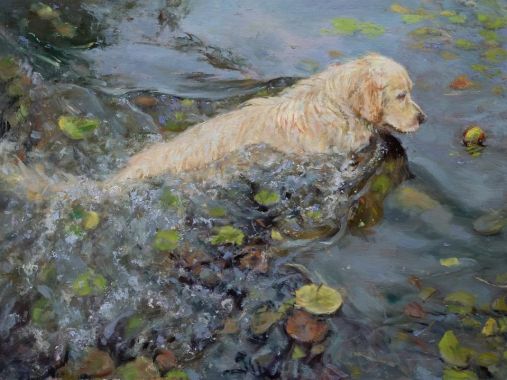
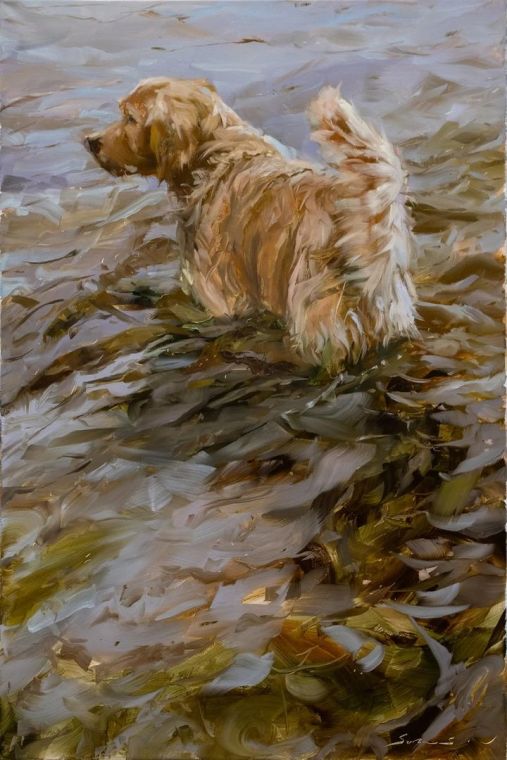
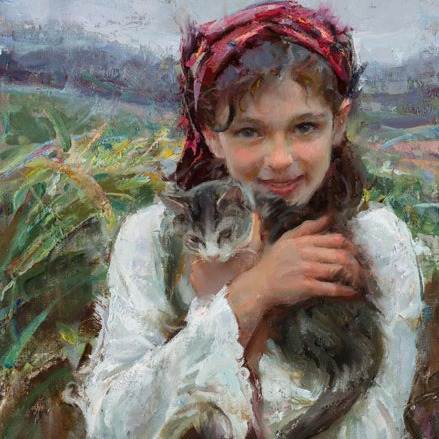
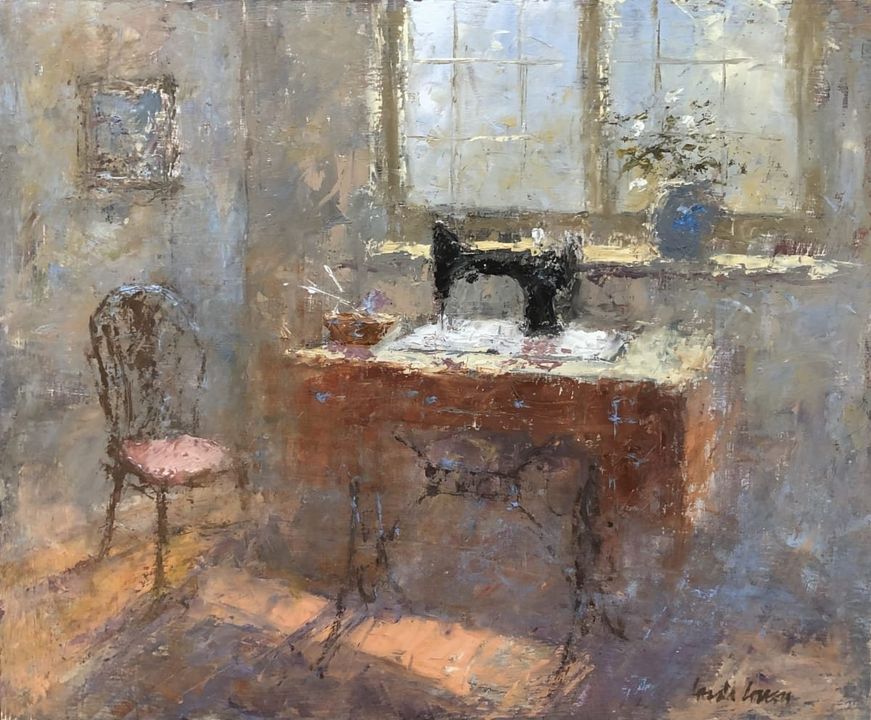
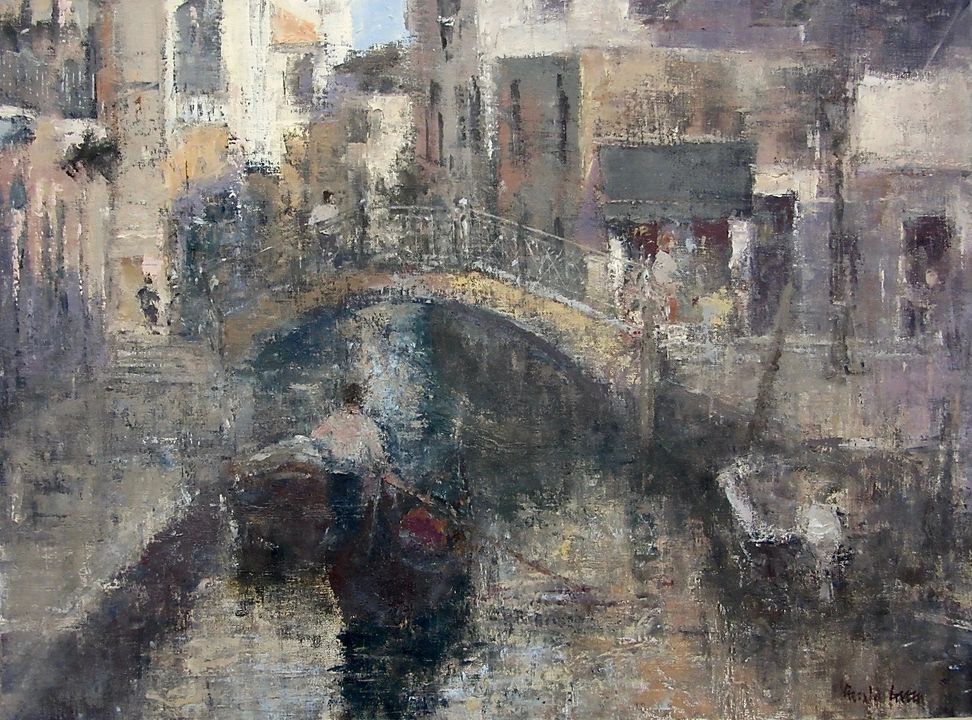
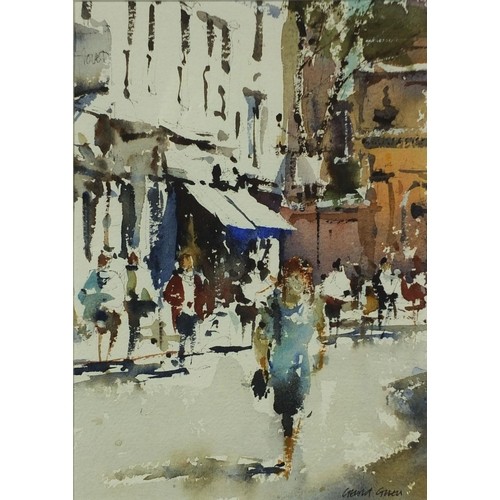
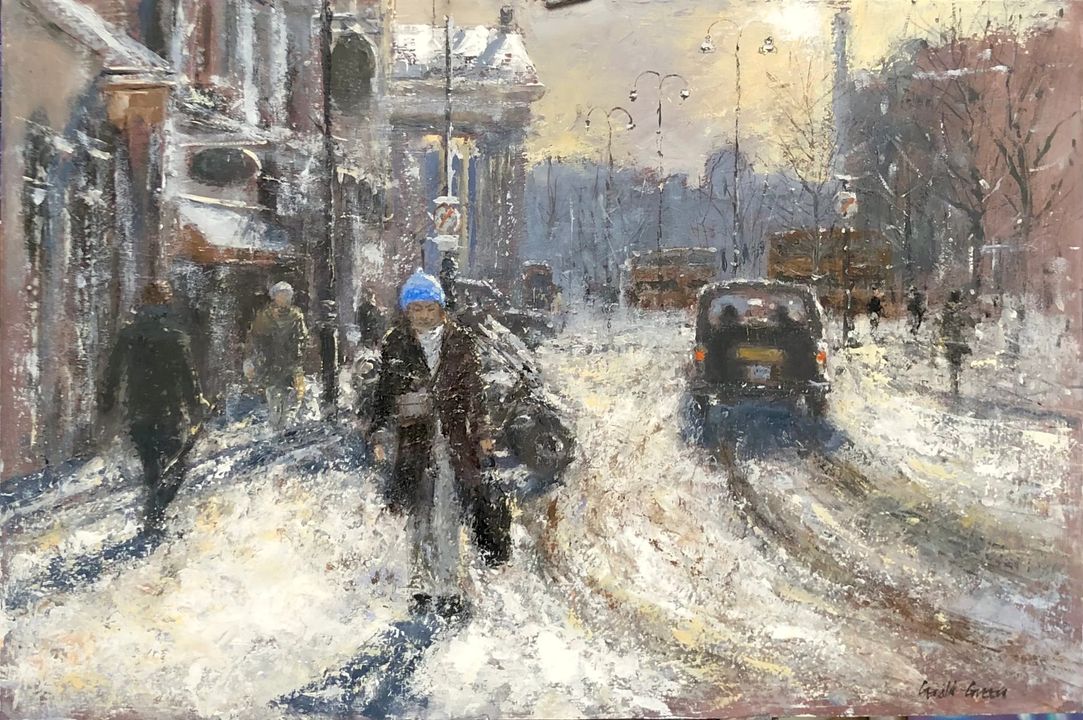
(ENG) интересный художник – Mark Andrew Beiley. Его импрессионизм отвечает на мой постоянный вопрос “как справляться с информационно перегруженной сценой”. Я давно для себя понял, но еще недостаточно впитал мысль, что искусство художника — упрощать, а не усложнять то, что видят глаза, мозг остальное дорисует сам. В целом, он и так дорисовает. Известно, что четко мы видим только конус перед глазами, на расстоянии метра это условно круг в 30 см, а иллюзию того, что мы воспринимаем гораздо больше, создают микродвижения глаз, двигающих этот конус в разные точки пространства. Это уже не говоря о том, что из-за дурацкого дизайна глаза у каждого из них есть слепое пятно, которое заполняется мозгом “на лету” тем, что там должно быть по данным соседнего глаза. Вот и импрессионизм показывает, что не обязательно передавать все четко — мозг сам все дорисует.

#artrauflikes

(ENG) An interesting artist named Mark Andrew Beiley. His impressionism addresses my constant question of “how to deal with an informationally overloaded scene.” I’ve long understood for myself, but still haven’t fully absorbed the thought that the artist’s art is to simplify, not complicate, what the eyes see, the brain will complete the rest on its own. After all, it will complete it regardless. It’s known that we only see clearly a cone in front of our eyes, at a distance of a meter this is roughly a 1ft/30cm circle, and the illusion that we perceive much more is created by saccades, super-fast micro-movements of the eyes, moving this cone to different points in space to collect information. This is not to mention that due to the foolish design of the eye, each of them has a blind spot which is instantaneously filled in by the brain with what should be there according to the adjacent eye’s data. Thus, impressionism shows that it’s not necessary to convey everything clearly—the brain will do the rest itself.

#artrauflikes