Взгляд в мир изящной красоты: картины Висенте Ромеро Редондо | 21 апреля 2024 года, 07:24

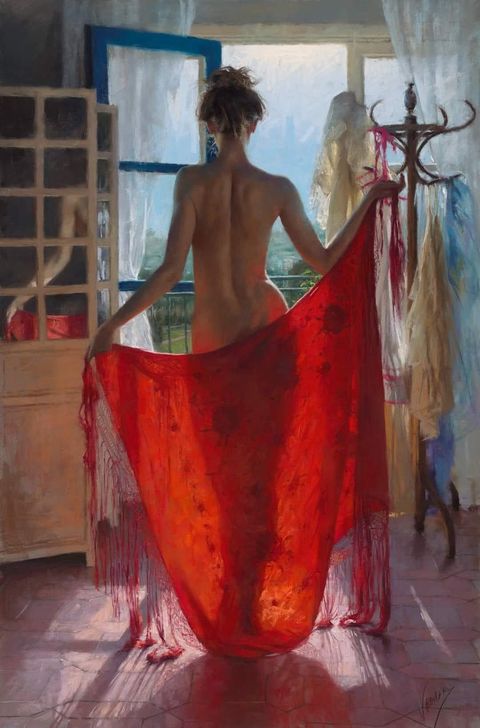
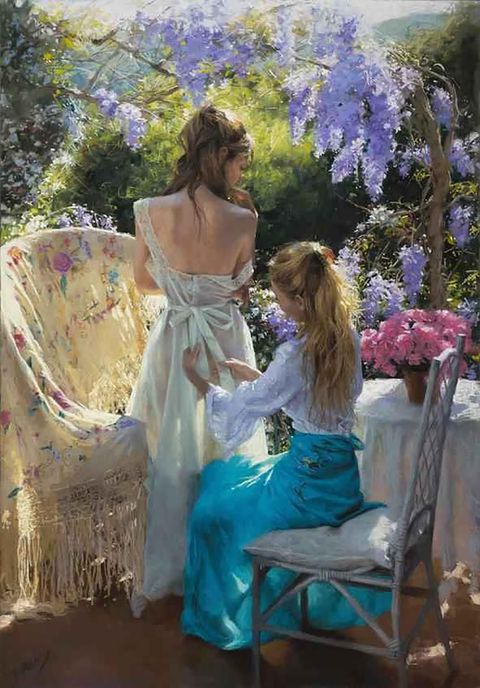
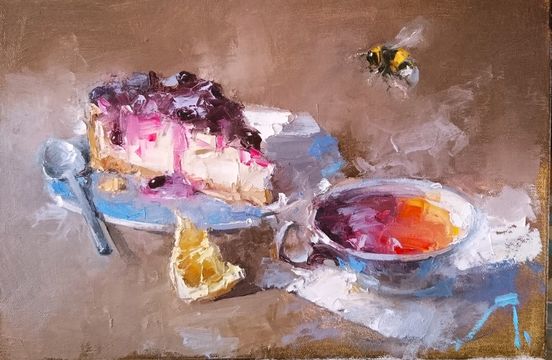
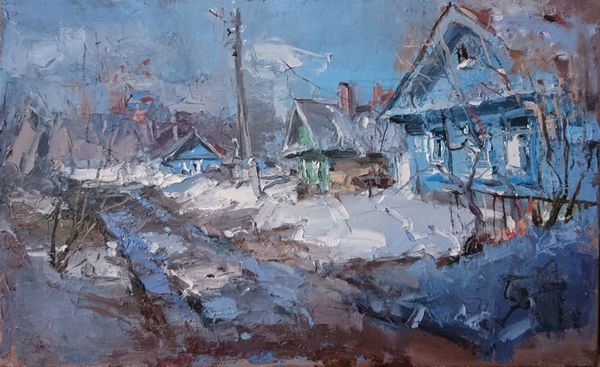
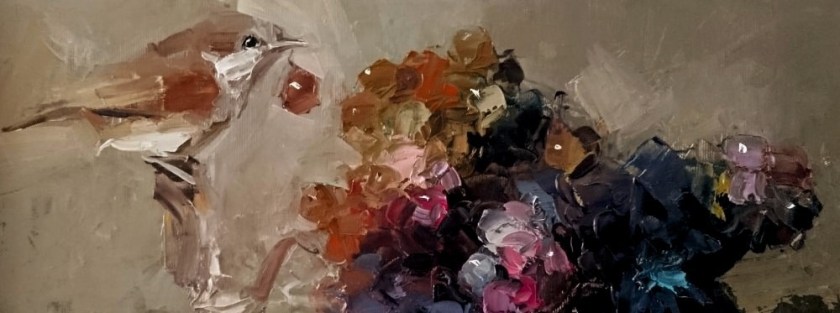
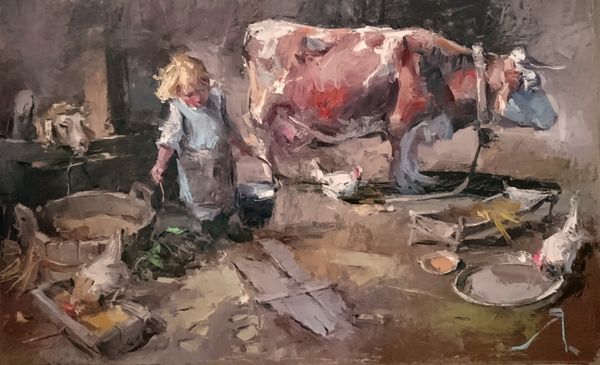
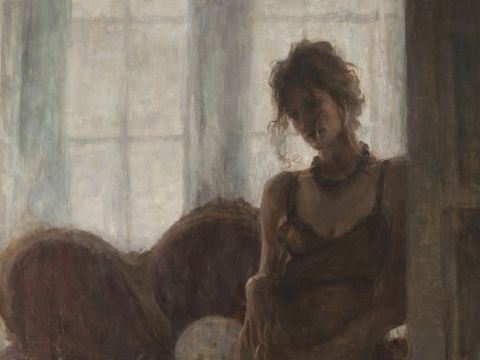
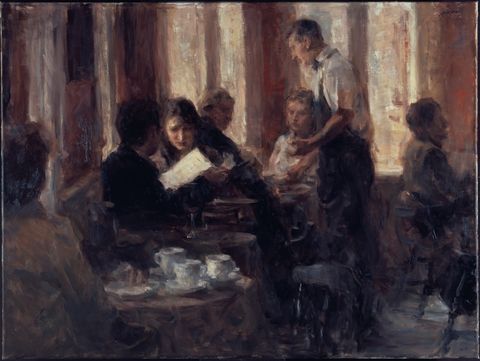
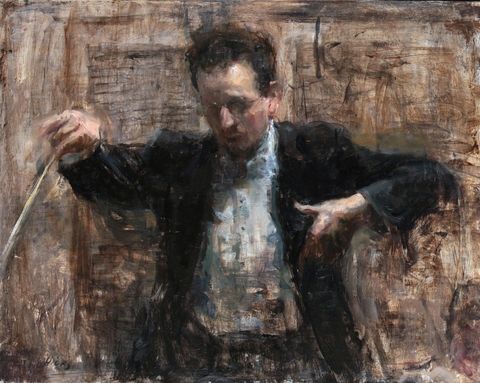
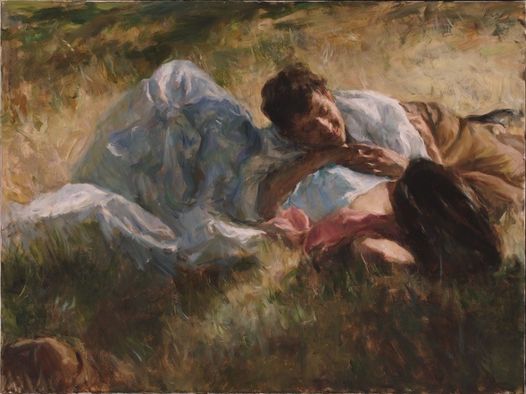
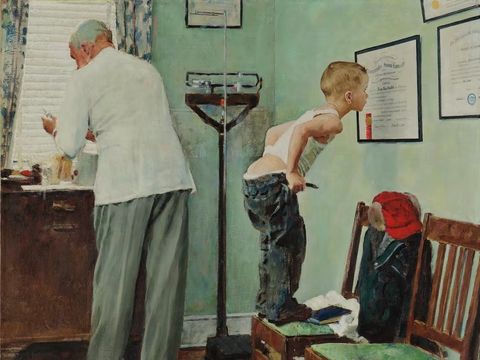
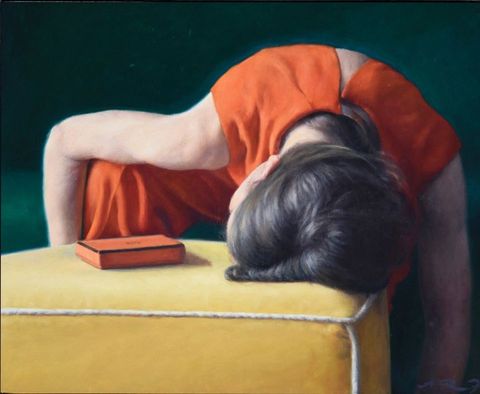
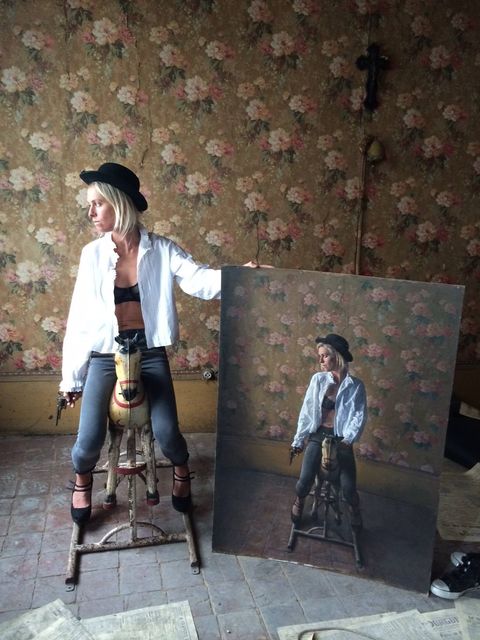
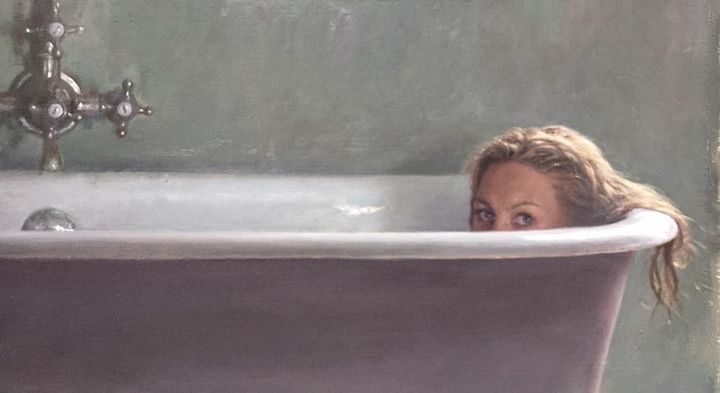
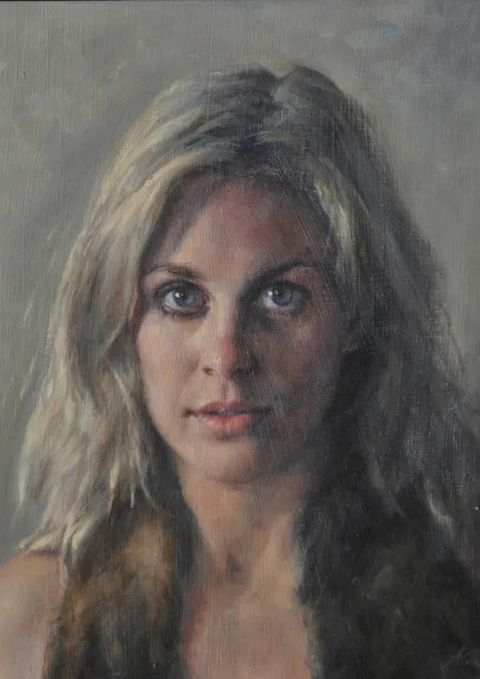
(ENG below) Сегодня картины испанского художника Висенте Ромеро Редондо (Vicente Romero Redondo). Родился в 1956 году. Известен своими пастельными изображениями изящных девушек в загадочном настроении. изысканной одежде, одиночестве и романтической обстановке. Пастель — это считай цветные карандаши. Меня техника работы пастелью всегда поражает. У нас в городе живет и дает уроки художница, специализирующаяся на пастели, Lori Goll, надо будет о ней отдельно написать. Я как-то у нее был в студии (=дома) в “день открытых дверей”. Но сегодня о Висенте. Чувак всю жизнь рисовал красивых девушек, но в 52 года решил все-таки жениться, но продолжает радовать своими картинами (девушек по крайней мере, но наверное и аукционы)

#artrauflikes

(ENG) Today we’re discussing the paintings of Spanish artist Vicente Romero Redondo, born in 1956. He’s renowned for his pastel depictions of elegant women, draped in refined attire, often captured in moments of solitude and romantic settings. Pastels might as well be considered colorful pencils. The technique of working with pastels always astonishes me. In our town, there’s an artist, Lori Goll, who specializes in pastels and gives lessons; I’ll have to write about her separately. I once visited her studio (her home, really) during an open house event. But today’s focus is on Vicente. This guy spent his life painting beautiful women and only decided to get married at the age of 52, yet he continues to delight with his artwork (definitely the ladies, and probably the auctions too).

#artrauflikes

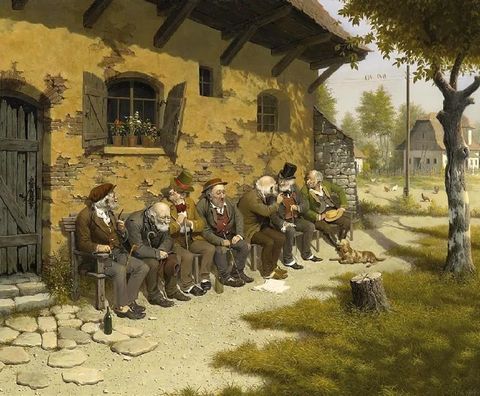
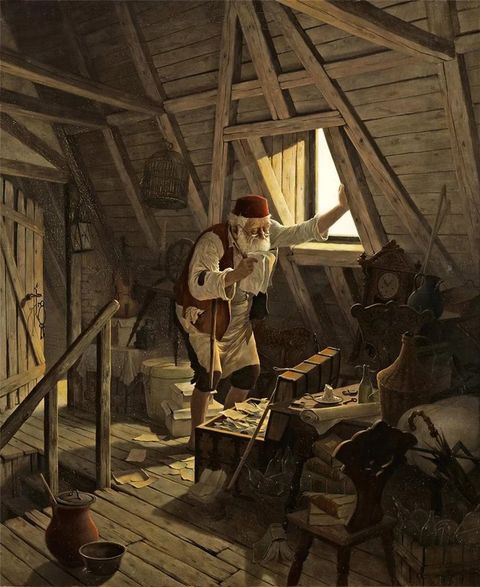
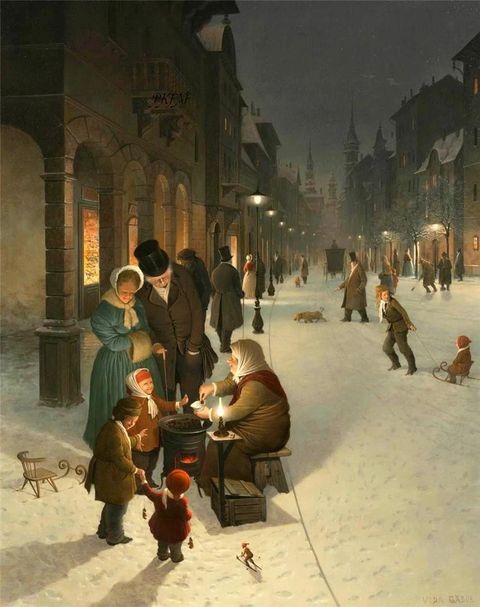
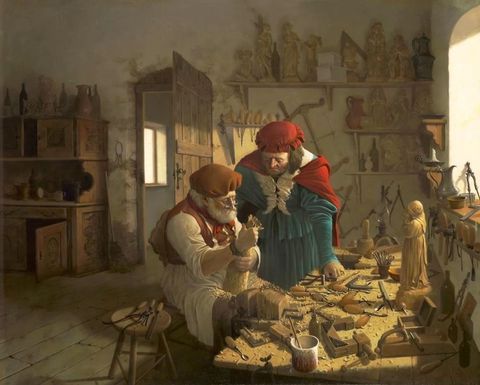
Beyond the Brushstrokes: The Enchanting World of Vida Gabor | 20 апреля 2024 года, 10:04

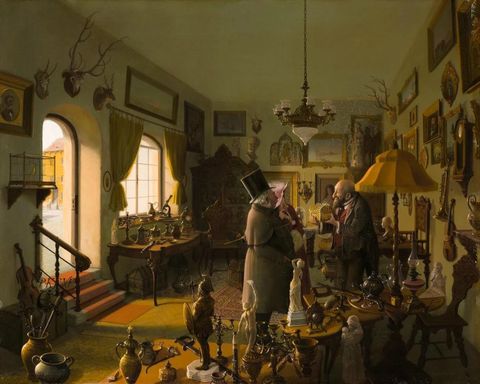
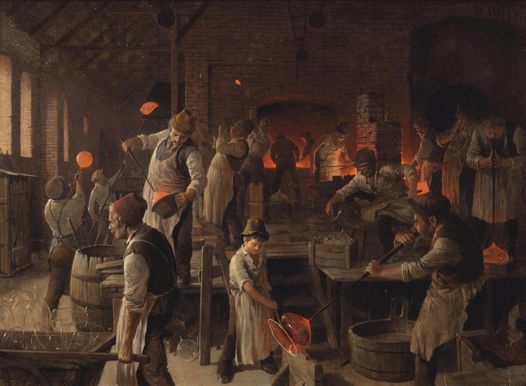
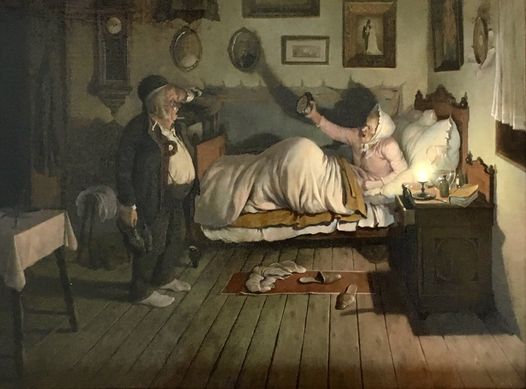
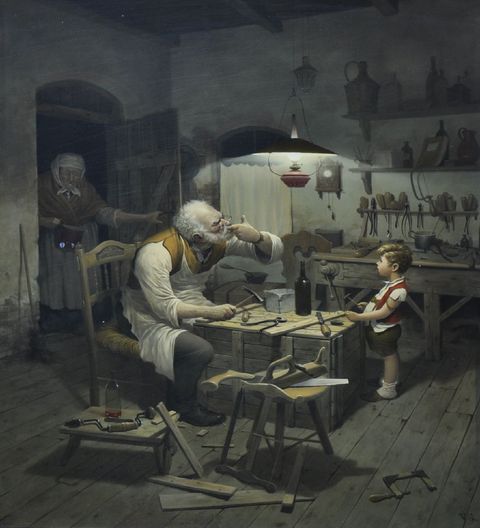
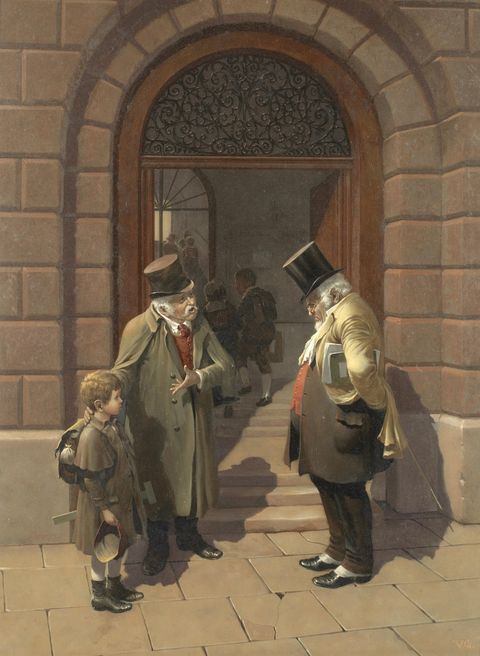
(ENG below) Сегодня — художник Вида Габор (1937-1999). Очень интересный стиль, что-то типа иллюстраций к венгерским сказкам 19 века. Среди его хобби — ювелирное дело, реставрация антикварных часов, астрономия (он делает телескопы). Вида Габор считается в основном самоучкой. Однако техники создания его картин маслом довольно продвинутые (он пишет медленно и многослойно, использует scumbling & glazing). Кажется, что все его герои со всех картин живут в одной (их) вселенной. И там перекос старичков и детей над всеми остальными;)

#artrauflikes

(ENG) Vida Gabor (1937-1999). He had a very interesting style, something akin to illustrations for 19th century Hungarian fairy tales. Among his hobbies were jewelry making, restoring antique clocks, and astronomy (he builds telescopes). Vida Gabor is considered largely self-taught. However, the techniques he used for his oil paintings are quite advanced (he paints slowly and in multiple layers, using scumbling and glazing). It seems that all his characters from all the paintings live in the same (their) universe. And there, the balance is skewed towards old men and children over everyone else 😉

#artrauflikes

Unveiling the Beauty of Ukraine: Alexander Yanutas Masterpieces | 19 апреля 2024 года, 12:00

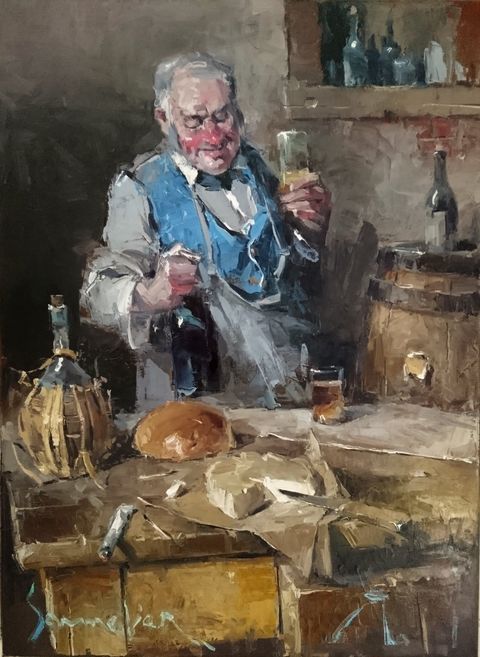
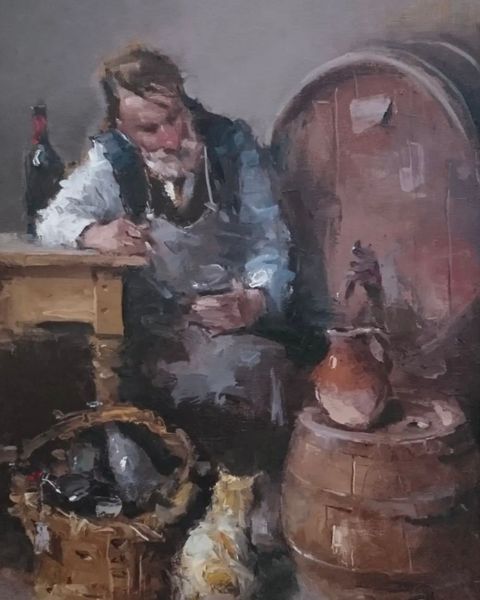
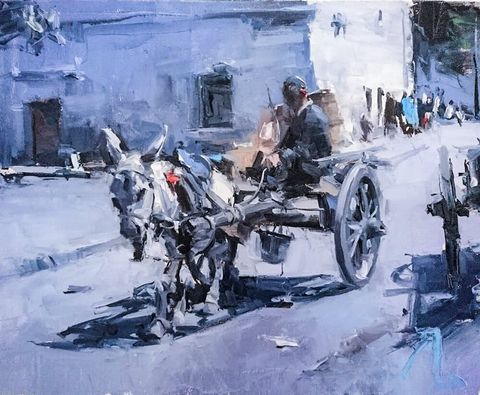
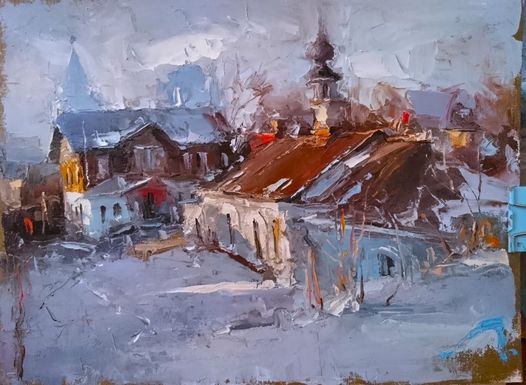
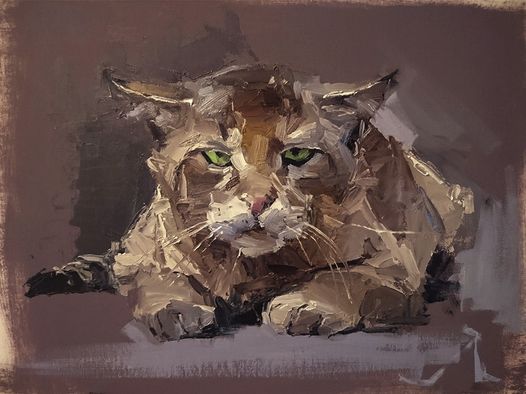
(ENG below) Интересный художник-импрессионист из Украины — Александр Янута. Вроде бы из Кривого Рога, родом из России. Посмотрите какая красота!

#artrauflikes

(ENG) An interesting Ukrainian impressionist artist is Alexander Yanuta. It seems he is from Kryvyi Rih, originally from Russia. Look at the beauty!

#artrauflikes

Whispers of Desire | 18 апреля 2024 года, 12:43

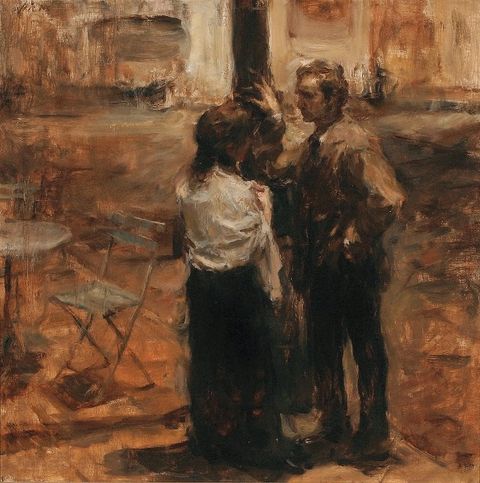
(ENG below) Интересный художник — Ron Hicks (1965). У него на картинах либо уже целуются, либо скоро поцелуются, либо страдают, либо дом (я нашел один). Везде приглушенная палитра, почти нет чистых красок.

#artrauflikes

Interesting artist, Ron Hicks (born in 1965). In his paintings, either people are already kissing, about to kiss, suffering, or there’s a house (I found one). Everywhere there is a muted palette, with almost no pure colors

#artrauflikes

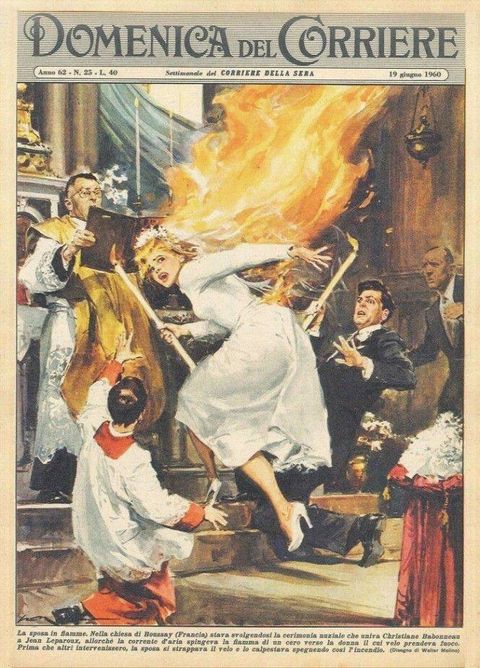
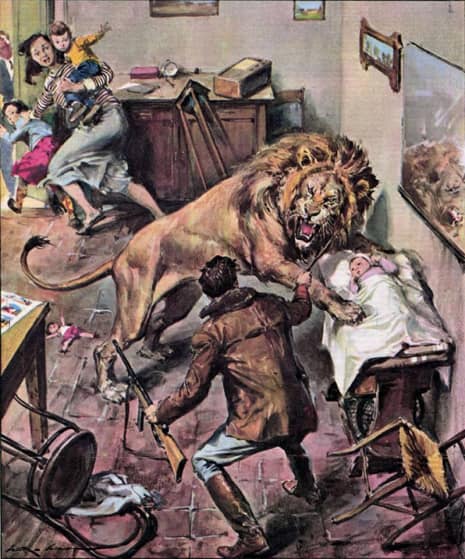
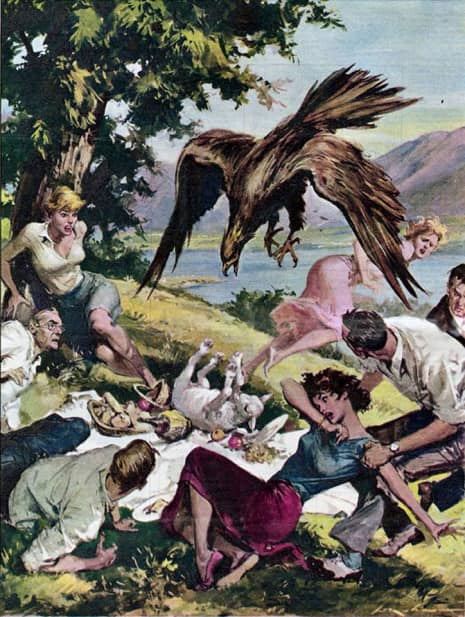
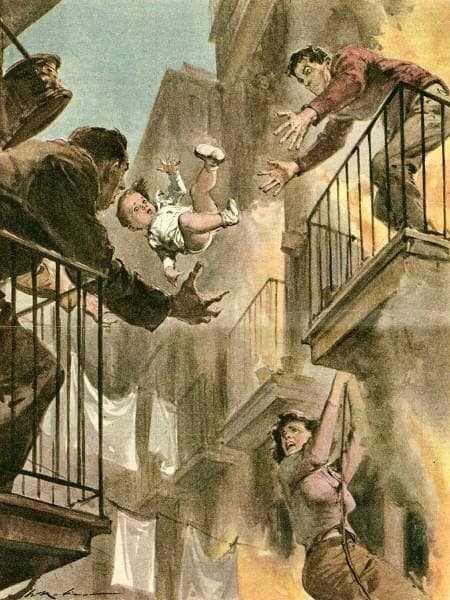
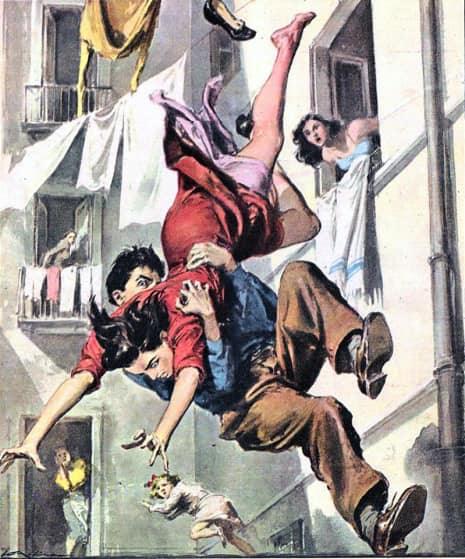
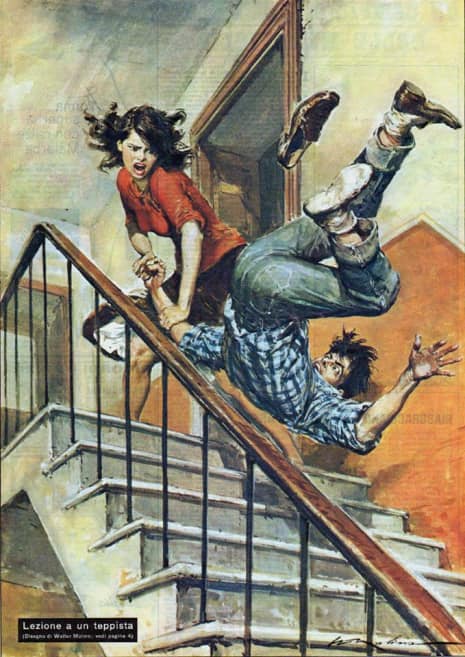
Вальтер Молино: иллюстрация из реальной жизни | 17 апреля 2024 года, 08:34

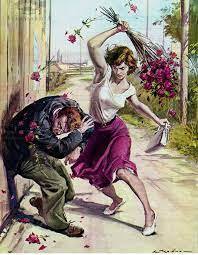
(ENG below) Раз вчера начали про иллюстраторов, то давайте и продолжим — сегодня — Вальтер Молино. У него что ни иллюстрация, то — нервы, эмоции и динамика. Самая известная картина — “избиение цветами”. Особенно часто её используют как мем к празднику 8 марта. На первый взгляд можно подумать, что дама пришла на свидание к своему жениху, но он её чем-то очень сильно огорчил и разозлил, после чего она в сердцах начала дубасить незадачливого кавалера букетом, который он ей принёс в подарок.

Но на самом деле это совсем не так. Мы видим иллюстрацию из популярного итальянского журнала La Domenica del Corriere, который выходил с 1899 по 1989 годы.

Картинка основана на реальных событиях, она иллюстрирует происшествие, описанное в журнале. Действие происходило в итальянском городе Турине, возле железнодорожного вокзала. 28-летняя девушка Гуида Кончетта Ринино шла мимо вокзала в гости к своим родственникам. Судя по букету цветов и по её нарядной одежде, она собралась на какое-то семейное торжество, возможно чей-то день рождения.

Когда она повернула на пустынную тропинку, к ней подошел неизвестный мужчина и захотел познакомиться. Дама решительно отказала, но мужчина оказался назойлив. Он шёл рядом с ней и не отставал, настаивая на знакомстве.

Тогда девушка не выдержала и несколько раз ударила нахала букетом роз, после чего убежала.

Гуида обратилась в полицию и эта история получила огласку. Нашли ли хулигана, неизвестно.

Обратите еще внимание на иллюстрацию про город будущего.

Напомню, что у меня уже несколько десятков постов про художников, которые мне нравятся, доступны по тегу ниже.

#artrauflikes

(ENG) Since yesterday we started talking about illustrators, let’s continue—today, Walter Molino. Each of his illustrations is full of nerves, emotions, and dynamism. His most famous painting is “Beating with Flowers.” It’s often used as a meme for International Women’s Day. At first glance, you might think that a lady came to meet her fiancé, but he upset and angered her so much that she started beating the unfortunate suitor with the bouquet he brought her as a gift.

But in reality, that’s not the case at all. We see an illustration from the popular Italian magazine La Domenica del Corriere, which was published from 1899 to 1989. The picture is based on real events, illustrating an incident described in the magazine. The action took place in the Italian city of Turin, near the railway station. 28-year-old Guida Concetta Rini was walking past the station to visit her relatives. Judging by the bouquet of flowers and her festive clothes, she was heading to some family celebration, perhaps someone’s birthday.

When she turned onto a deserted path, an unknown man approached her and wanted to get acquainted. The lady decisively refused, but the man was persistent. He walked alongside her, insisting on getting acquainted.

Then the woman couldn’t take it anymore and hit the ruffian several times with a bouquet of roses before running away.

Guida contacted the police, and the story became public. Whether the hooligan was found is unknown.

I remind you that I have dozens of posts about artists I like, available under the tag below.

#artrauflikes
Мастер storyteller: Norman Rockwell and his love of detail | 16 апреля 2024 года, 15:06

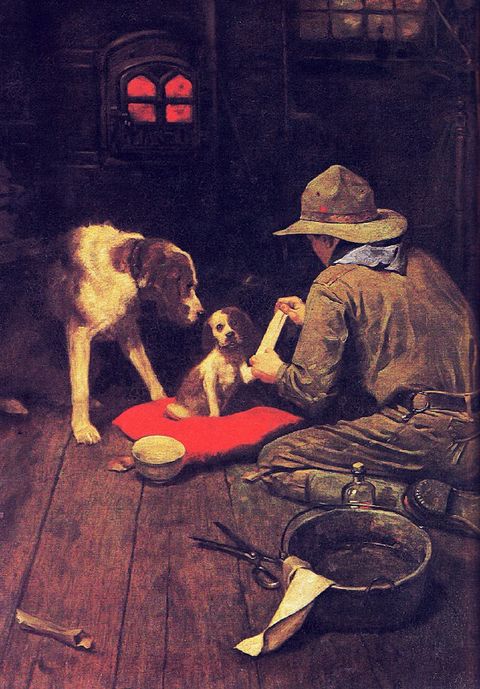
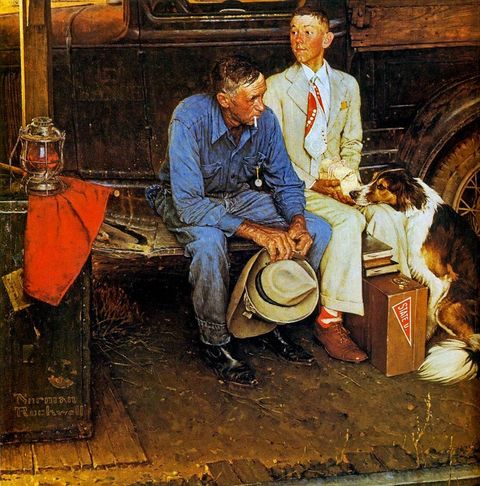
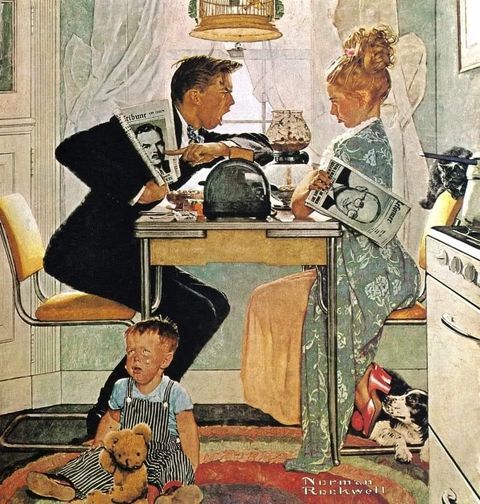
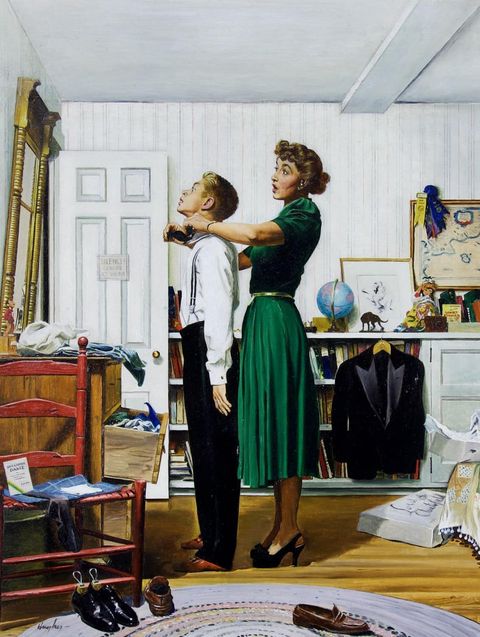
(ENG below) Как-то я совсем забыл про Norman Rockwell. Я ж даже на Saturday Evening Post подписан, и вообще мой поход в Библиотеку Конгресса за архивами этого журнала начался именно с этого художника. Вот так делались иллюстрации на обложку журнала — художник писал маслом крупноформатную картину на злободневную тему, дальше ее фотографировали, и помещали на обложку, а он шел делать следующую. И посмотрите с какой любовью к деталям! Вот уж не назовешь рутиной. Ушла эпоха, теперь и художники другие, и работа их выглядит сильно иначе. К каждой картине шла либо история, либо это было самовыражением художника, поднимающим тиражи. Например, девочка с фингалом — это натурщица Мэри Уэлен-Леонард, дверь директора школы и антураж — из школы Cambridge, New York. Причем художник умудрился физически вывезти дверь из школы к себе в студию. Некоторые картины — иллюстрации к историям журнала. Но мне кажется, все его картины рассказывают историю, выдуманную или реальную, и потому их интересно рассматривать.

В 1943 году пожар в его студии уничтожил все работы, которые там хранились, а также костюмы и реквизит, собранные за многие годы. Также была уничтожена его коллекция трубок. Роквелл говорил, что мог случайно уронить уголек из своей трубки на стул, который стоял под выключателем света, когда он выключал свет и покидал студию той ночью. Друзья, которые приходили к нему в студию, говорили, что у него была привычка зажигать трубку и бросать спичку в большой железный горшок, где он хранил тряпки, смоченные в терпентине.

Даже до пожара Роквелл выбрасывал некоторые из своих оригинальных масляных картин и эскизов. Он отправлял картину в “Saturday Evening Post” для обложки, и когда она возвращалась, он срывал холст с рамы, выбрасывал его и натягивал новый холст на раму для следующей картины.

Когда одна из поклонниц написала ему с просьбой купить некоторые из его оригинальных работ, он назвал её “сумасшедшей женщиной из Чикаго” и взял с неё 100 долларов за каждый из семи холстов. Семья “сумасшедшей женщины” продала картины в 1990-х годах за 17 миллионов долларов.

#artrauflikes

I completely forgot about Norman Rockwell. I’m even subscribed to the Saturday Evening Post, and it was this artist who actually sparked my venture to the Library of Congress for archives of this magazine. That’s how magazine cover illustrations were made— the artist painted a large-scale oil painting on a topical subject, then it was photographed and placed on the cover, and he would go on to make the next one. And look at the attention to detail! It’s certainly not routine. That era has passed; now the artists are different, and their work looks quite different too. Each painting was accompanied either by a story or served as a form of self-expression by the artist, boosting circulation. For example, the girl with the black eye was the model Mary Whalen Leonard, the principal’s door and the setting were from a school in Cambridge, New York. The artist even managed to physically transport the door from the school to his studio. Some paintings were illustrations for stories in the magazine. But I think all his paintings tell a story, whether fictional or real, and that’s what makes them interesting to look at.

In 1943, a fire in his studio destroyed all of the work stored there, as well as costumes and props that he had collected over the years. Also destroyed was his collection of pipes. Rockwell said that he may have dropped an ash from his pipe onto a chair that sat under the light switch when he turned off the lights to leave the studio that night. Friends who visited him at the studio said that he had a habit of lighting his pipe and then tossing the match into a large iron pot in which he stored his turpentine rags.

Even before the fire, Rockwell discarded some of his own original oils and sketches. He would send a painting to the Saturday Evening Post to be used for a cover and, when it was returned, he would rip the canvas off the frame, toss it away and stretch a new piece of canvas onto the frame for the next painting.

When a fan wrote to him, asking if she could buy some of his original work, he called her, “the crazy woman from Chicago” and charged her $100 a piece for seven canvasses. The “crazy woman’s” family sold the paintings in the 1990s for $17 million

#artrauflikes

Резонанс с культурным кодом | 15 апреля 2024 года, 09:38

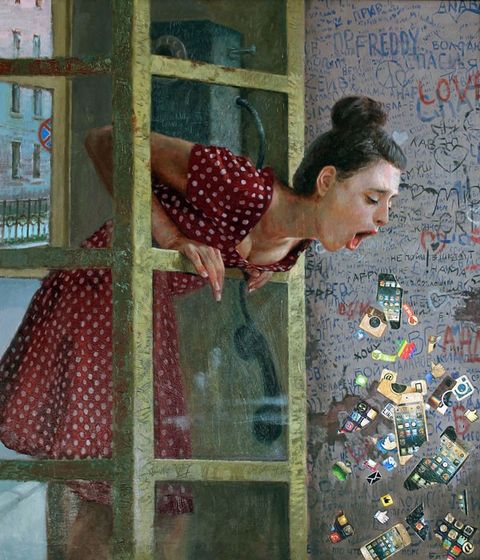
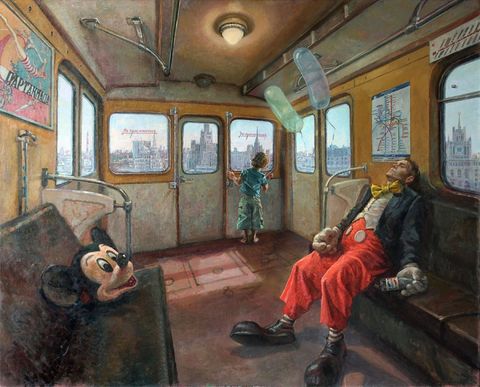
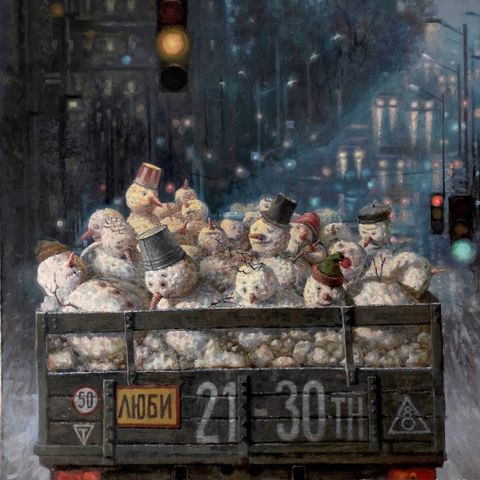
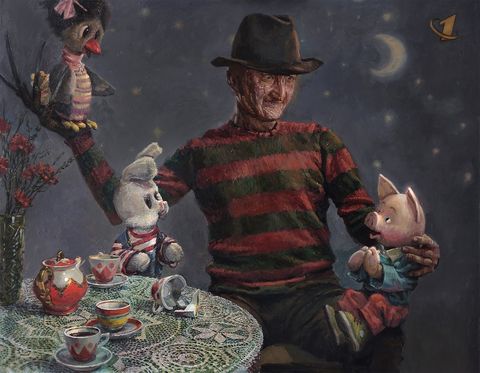
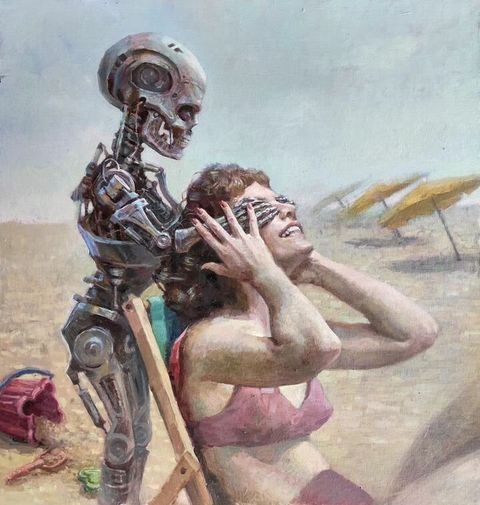
(ENG below) Андрей Шатилов. У меня сложное отношение к его живописи (как и к Василию Шульженко, например), но все-таки работы Андрея резонируют с культурным кодом живущих в той России и в СССР. В них есть юмор, они похожи на иллюстрации, но это полноценные картины маслом, и идея и композиция делает их уникальными при в целом достойном техническом исполнении.

#artrauflikes

Andrey Shatilov. I have mixed feelings about his paintings (as with Vasily Shulzhenko’s, for example, as well), but still, Andrey’s works resonate with the cultural code of those living in that Russia and in the USSR. They have humor, they resemble illustrations, but these are full-fledged oil paintings, and the idea and composition make them unique with a generally decent technical execution.

Meet Alex Russell Flint: The Emerging Artist Whos Redefining the Rules of Contemporary Art | 10 апреля 2024 года, 22:42

Интересный современный художник — Alex Russell Flint. У него совсем немного работ, но что-то необычное в них есть. Девочка с ружьем существует в пяти что-ли вариациях, я не стал их тут все приводить. С лопатой у тела есть в двух-трех, одна, на другой напарницу привела. Есть девочка в коньках перед ступеньками и после. В общем, если тоски не хватает — можно всегда повестить в гостиной его картину и наблюдать, что там с тоской происходит

#artrauflikes

Brushstrokes of Perception: Mark Andrew Beileys Impressionist Revelation | 10 апреля 2024 года, 10:15

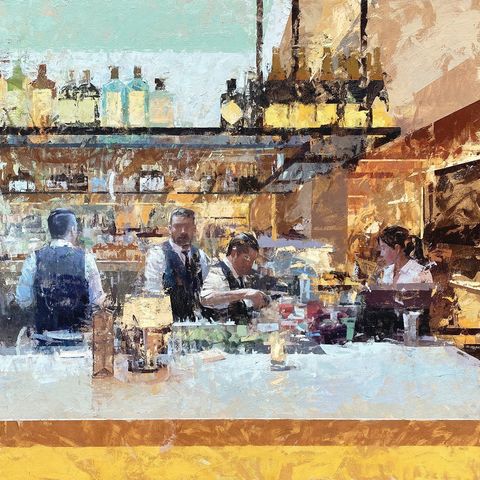
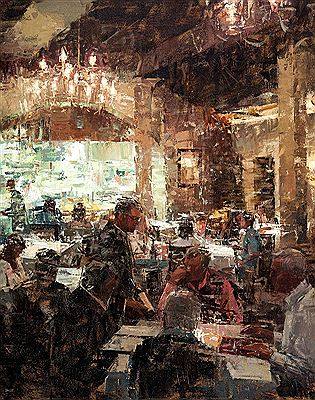
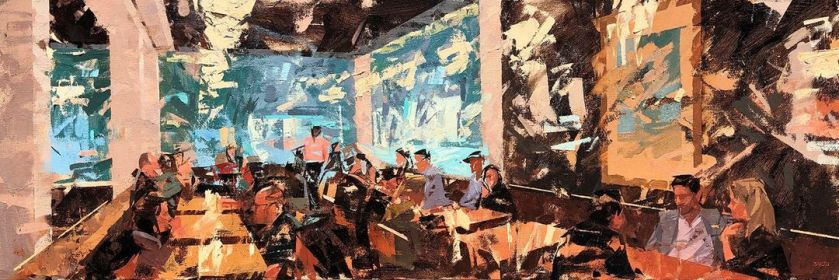
(ENG) интересный художник – Mark Andrew Beiley. Его импрессионизм отвечает на мой постоянный вопрос “как справляться с информационно перегруженной сценой”. Я давно для себя понял, но еще недостаточно впитал мысль, что искусство художника — упрощать, а не усложнять то, что видят глаза, мозг остальное дорисует сам. В целом, он и так дорисовает. Известно, что четко мы видим только конус перед глазами, на расстоянии метра это условно круг в 30 см, а иллюзию того, что мы воспринимаем гораздо больше, создают микродвижения глаз, двигающих этот конус в разные точки пространства. Это уже не говоря о том, что из-за дурацкого дизайна глаза у каждого из них есть слепое пятно, которое заполняется мозгом “на лету” тем, что там должно быть по данным соседнего глаза. Вот и импрессионизм показывает, что не обязательно передавать все четко — мозг сам все дорисует.

#artrauflikes

(ENG) An interesting artist named Mark Andrew Beiley. His impressionism addresses my constant question of “how to deal with an informationally overloaded scene.” I’ve long understood for myself, but still haven’t fully absorbed the thought that the artist’s art is to simplify, not complicate, what the eyes see, the brain will complete the rest on its own. After all, it will complete it regardless. It’s known that we only see clearly a cone in front of our eyes, at a distance of a meter this is roughly a 1ft/30cm circle, and the illusion that we perceive much more is created by saccades, super-fast micro-movements of the eyes, moving this cone to different points in space to collect information. This is not to mention that due to the foolish design of the eye, each of them has a blind spot which is instantaneously filled in by the brain with what should be there according to the adjacent eye’s data. Thus, impressionism shows that it’s not necessary to convey everything clearly—the brain will do the rest itself.

#artrauflikes

Magic Squared: The Enchanting Watercolors of Laurin McCracken | 09 апреля 2024 года, 11:54

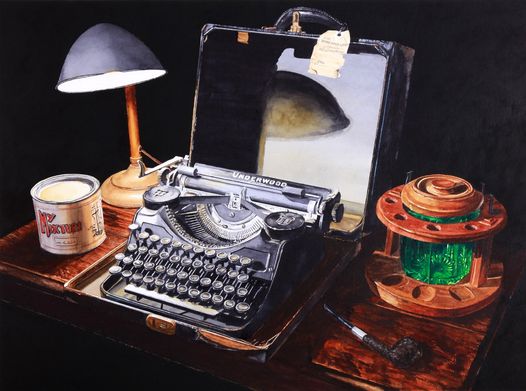
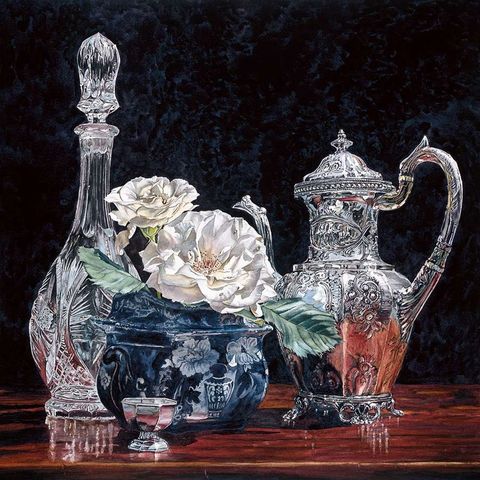
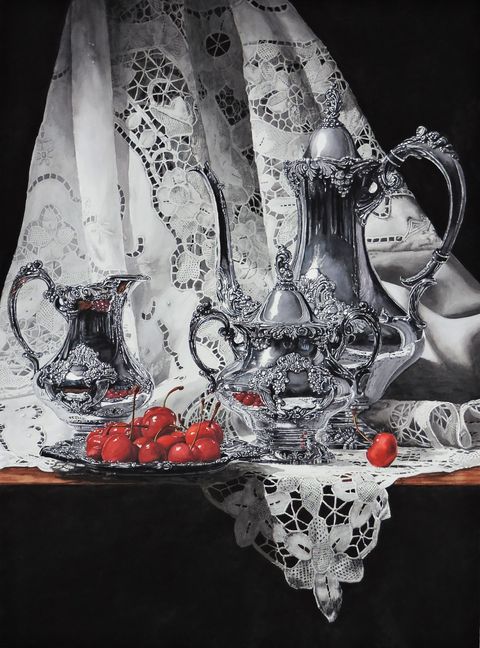
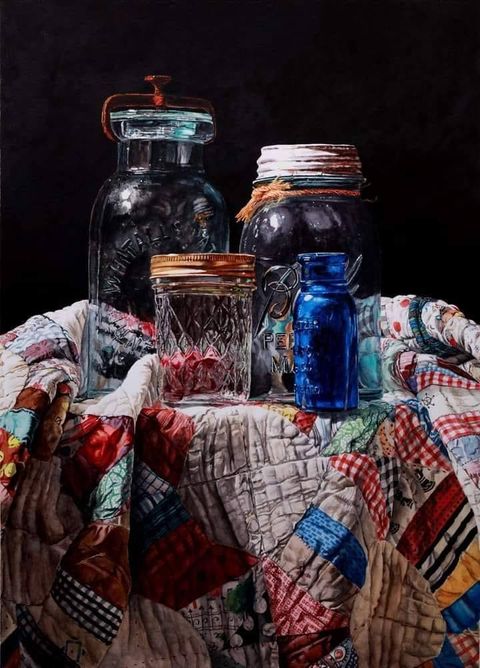
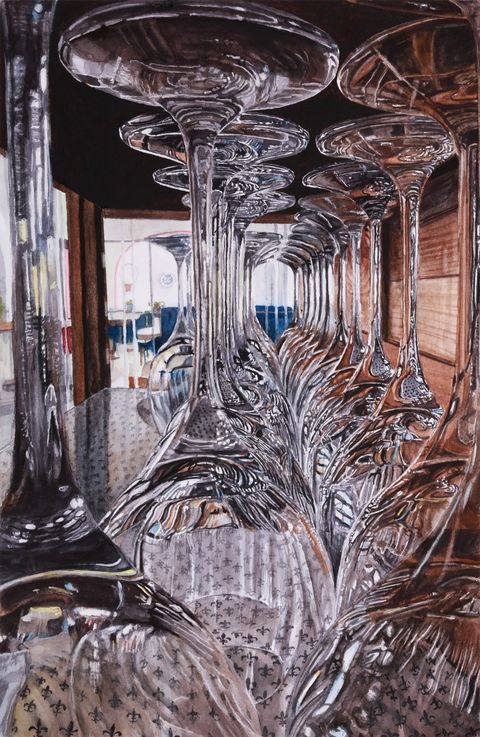
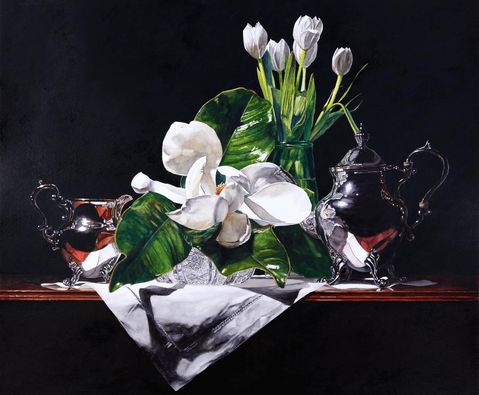
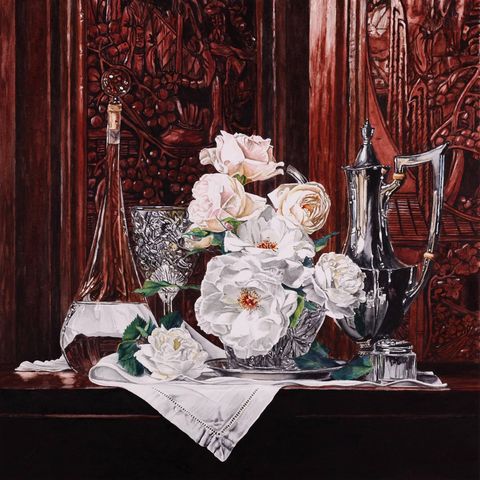
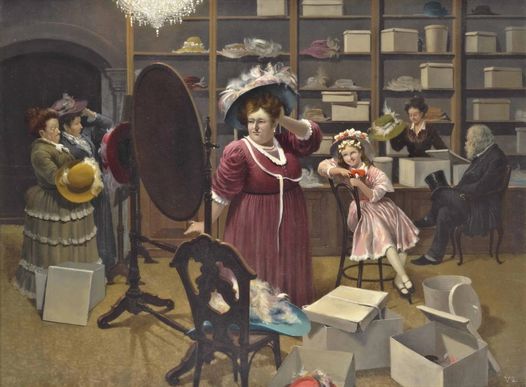
(ENG below) Интересный художник — Laurin McCracken, Техас. Я совсем не умею в акверель, поэтому для меня там все магия, а произведения Лорена — магия в квадрате. У него в основном натюрморты и в основном фрукты+хрусталь+серебряные чайники, но посмотрите как оно выглядит! Я особо не ведусь на фотореализм (зачем, если есть фотография), но сочетание с акварелью — это все-таки что-то особенное. Акварель вообще очень капризный и сложный материал. Но обычно в этой технике картины совсем другие. Посмотрите Игоря Сава, Йозефа Збуквича, да даже наших классиков Сарджента и Тёрнера — там видно сразу почему акварель. А у Лорена прямо вызов акварели.

#artrauflikes
(ENG) Today — Laurin McCracken from Texas. I’m not good at watercolor, so for me, it’s all magic, and Laurin’s works are magic squared. He mainly focuses on still lifes, primarily featuring fruits, crystal, and silver teapots, but look at how it appears! I’m usually not keen on photorealism (why, if there’s photography), but the combination with watercolor is something special indeed. Watercolor is a very capricious and complicated medium. But usually, in this technique, the paintings are quite different. Look at Igor Sava, Joseph Zbukvic, even our classics like John Singer Sargent and J. M. W. Turner —you can immediately see why it’s watercolor. But with Laurin, it’s a direct challenge to watercolor.
#artrauflikes